

 en
en
 Español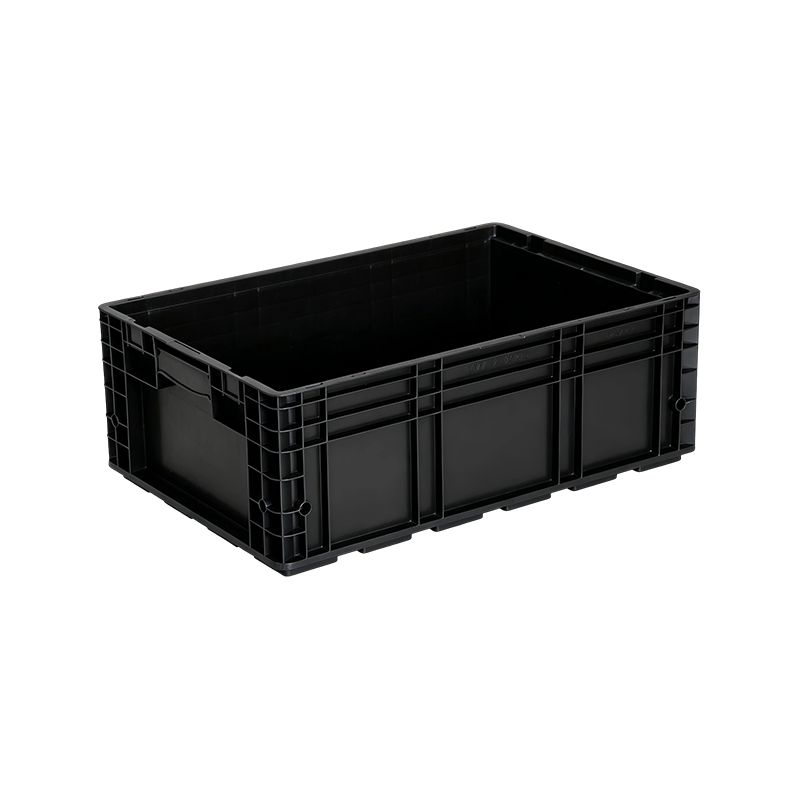


 +86-18052418148
+86-0512-66242257
+86-18052418148
+86-0512-66242257
 daxuezhang@hechengfeng.com

Content
A single unseen spark can turn a healthy control unit into a field failure. As vehicles add radar modules, cameras, infotainment boards and power electronics, every transfer between plants exposes sensitive parts to static charge. esd r-klt plastic containers address that risk at the packaging level, combining the proven modular footprint of small load carriers with controlled surface resistance. This guide explains how static damage happens, how these containers prevent it, which specifications matter, and how to run a clean, repeatable container loop across suppliers and assembly lines.
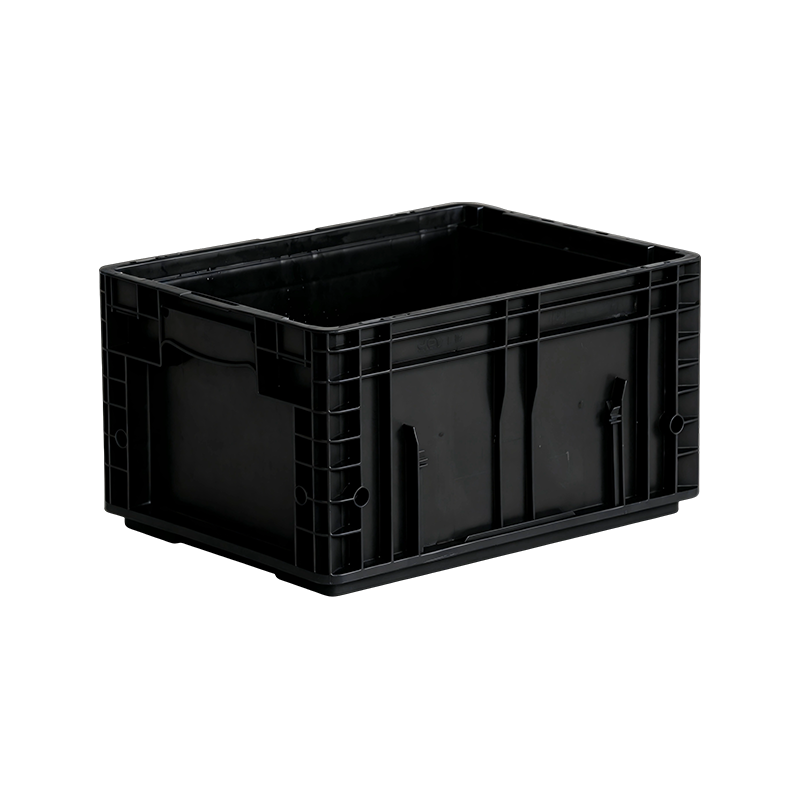
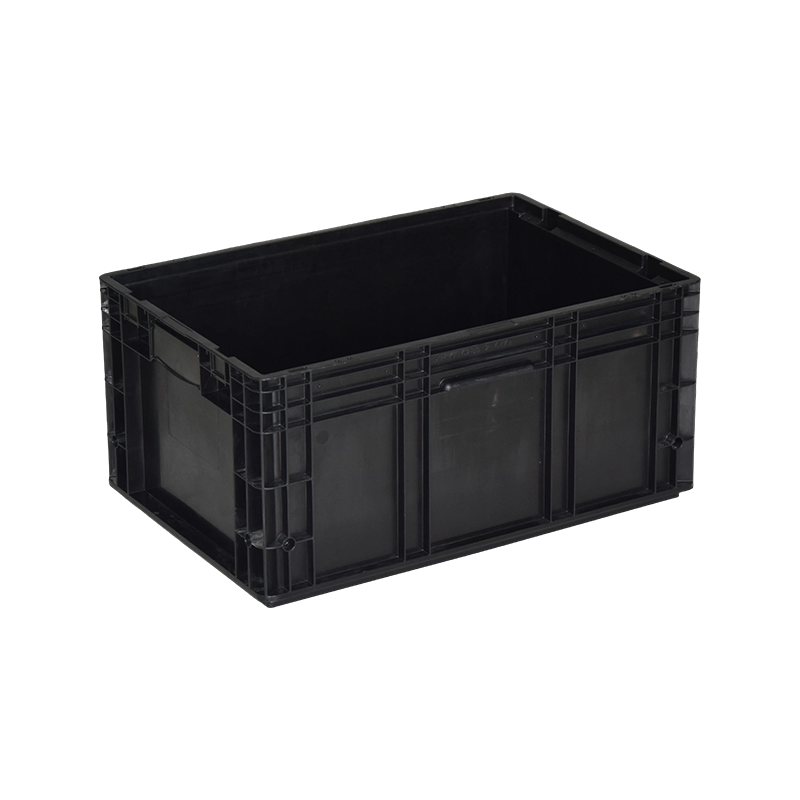
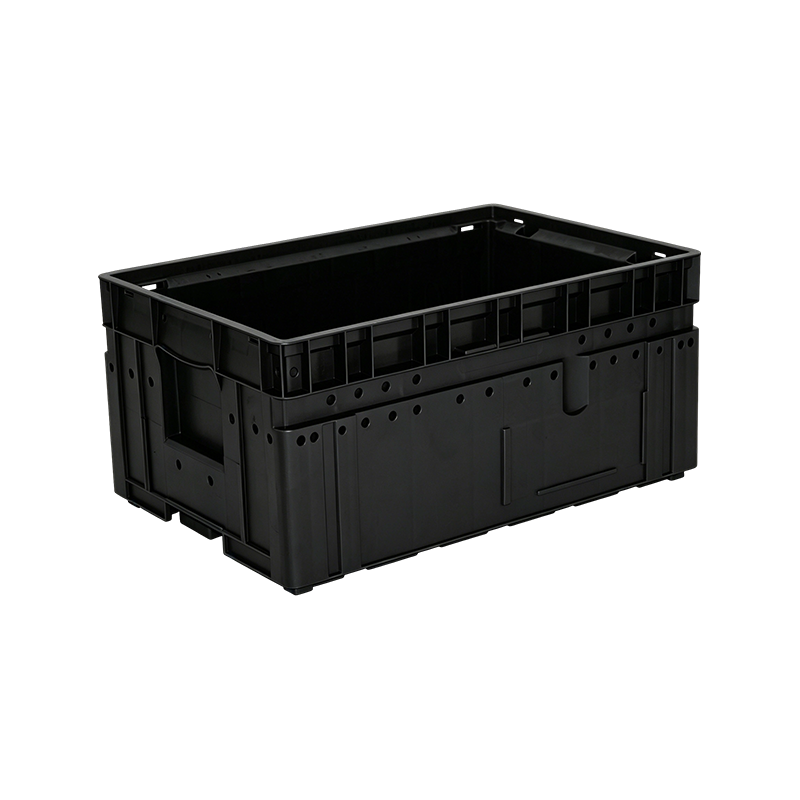
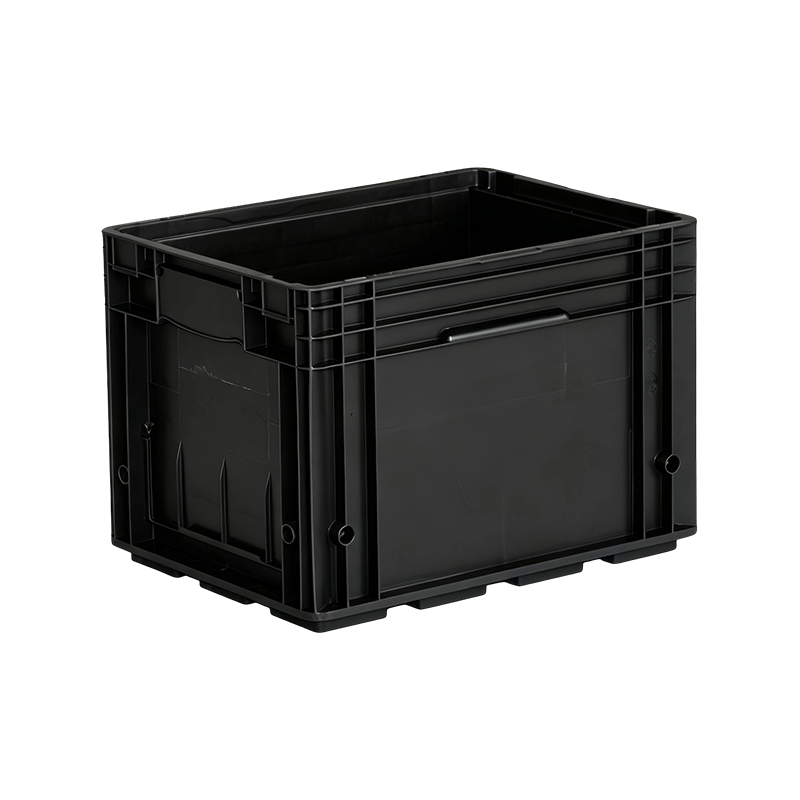
R-KLT containers are rigid, stackable small load carriers built on a modular 600 × 400 mm base, with half and quarter sizes that share the same grid. This modularity lets pallets, conveyors, automated storage systems and lineside racks handle mixed container sizes without adapters. The ESD version keeps that geometry but changes the material, so the container no longer behaves like an ordinary insulating plastic.
Standard polypropylene is an excellent insulator. It collects charge by friction every time a part slides across the floor or a lid is removed, and it holds that charge for a long time. ESD grades add conductive or dissipative fillers so the surface resistance falls into a controlled range. Charge then drains slowly and safely instead of building up or discharging in a sudden spike.
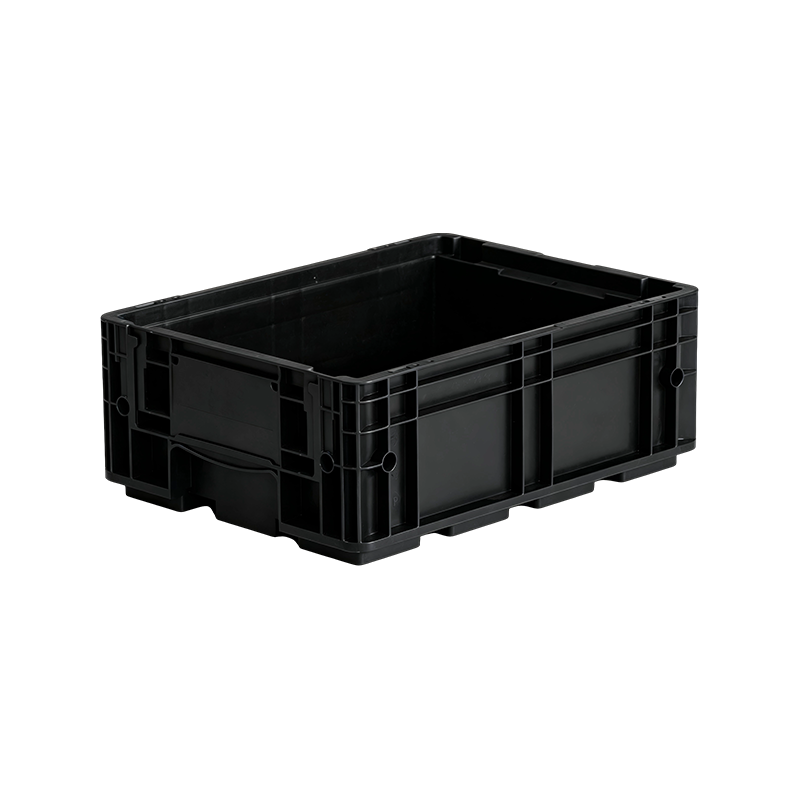
In practice the container protects in two ways at once: it carries the load like a standard carrier, and it limits electrostatic risk for the parts inside. Because the shape and size follow the modular grid, switching from ordinary containers to ESD versions rarely requires changes to racks, pallets or automated systems. The change happens in the material, not in the process.
Electrostatic discharge rarely announces itself. A latent defect can pass end-of-line testing, then fail months later in a vehicle exposed to heat, vibration and moisture. Warranty claims, recalls and lost customer trust cost far more than the packaging that could have prevented them. Industry studies commonly attribute a meaningful share of electronic failures to static damage, and the cost of one rejected module multiplies once it is assembled into a harness or dashboard.
Logistics is where charge is created. Friction between parts and trays, separation of plastic films, and operators moving through dry plant air all generate voltage. The chart below shows an indicative split of static events across handling stages in a typical electronics supply chain.
Unpacking and transport dominate because they combine movement, friction and frequent contact with people and conveyors. Line-side feeding follows closely, since parts are repeatedly lifted, poured and re-presented to pick stations. Storage and returns carry less risk, but only when containers are not stacked beside insulating materials such as foam or film.
A container that is not ESD-safe can undo every control inside the assembly area, because charged packaging carries the risk straight through the door.
Imagine a camera module supplier shipping thousands of boards each week in cardboard trays. The receiving plant notices a small but steady rise in intermittent failures at functional test. After moving to dissipative reusable containers and adding grounded unpacking stations, retests fall and unexplained returns drop. The lesson is simple: the packaging was part of the electrical environment all along.
Any module with microcontrollers, memory or sensitive analog stages is a candidate for protected packaging, including:
ESD-safe packaging works in two ways. First, it generates less charge, because a dissipative surface does not hold tribocharge the way a pure insulator does. Second, any charge that does appear leaks away through the container to grounded floors, racks or conveyors. anti-static r-klt crates depend on both effects working together.
Dissipative materials slow the discharge so that current stays low. Fully conductive materials equalise charge rapidly and can also shield their contents, but they may allow a high current if a charged device touches them. For most automotive electronics, a dissipative container is the safer default because it limits discharge speed while still removing static.
Insulating plastic is especially unpredictable in dry seasons. The line chart compares indicative surface voltage on an ordinary plastic bin and an ESD-grade container across humidity levels. Controlled resistance keeps voltage low even when plant air is dry, which matters in winter and in air-conditioned clean areas.
Humidity control remains valuable in any plant, but it should be a supporting layer rather than the only defence. Relying on humidity alone leaves gaps whenever conditions change, while the material itself protects around the clock.
Charge control is not only about material. Smooth internal surfaces reduce friction as parts are inserted, and well-fitted dividers stop components from rubbing together during transport. Lids that close firmly keep dust and moisture out while limiting movement inside the container.
A label saying anti-static is not enough. Buyers should request test data and confirm that material, construction and dimensions match the application, the cleaning method and the automation in use. The table summarises the points that matter most.
| Parameter | Typical target | Why it matters |
|---|---|---|
| Surface resistance | 10 thousand to 100 billion ohms | Allows safe, controlled charge decay |
| Material | Permanent conductive additive in polypropylene | Performance does not wash off |
| Footprint | 600 × 400 mm modular grid | Fits pallets, racks and conveyors |
| Load rating | Stated stacking load from supplier data | Prevents wall and base deformation |
| Surface finish | Smooth, low particle shedding | Protects pins, lenses and connectors |
| Temperature range | About minus 20 to 80 °C | Supports washing and varied transit climates |
| Marking area | Permanent ESD symbol and ID field | Enables identification and traceability |
Some low-cost bins rely on a surface spray that wears off after washing. Permanent additives mixed into the polymer keep performance stable for the full life of the container. Ask whether resistance is verified after repeated cleaning cycles, not only on new units.
Resistance should be measured under stated humidity and with a defined electrode method, following recognised international ESD packaging standards. Request batch-level results and a clear declaration of the resistance range so that incoming inspection has a reference.
Several international standards define how static-safe packaging is classified and tested. They set the surface resistance ranges, the measurement method and the conditioning applied before testing. Automotive customers often add their own requirements, so supplier agreements should name the standard, the test climate and the acceptance limits.
Containers are one element of a wider control program. A typical program also includes grounded workstations, wrist straps, ionisers where needed, controlled flooring, trained personnel and regular audits. Containers should be listed in the program documentation, with clear rules for where they may be opened and who may handle them.
Identification areas allow barcodes or tags that link each unit to a batch and a cleaning record. This makes root cause analysis faster whenever a defect appears later in the process.
Cardboard, wooden boxes, standard plastic bins and ESD R-KLT containers all have a place in logistics, but only some satisfy electronics safety and sustainability goals together. The radar chart scores three common options on five criteria, using an indicative scale from one to ten.
Standard plastic bins match ESD containers on durability and stacking but fail on protection. Cardboard is cheap per unit, yet it sheds fibres, absorbs moisture and is rarely reusable. The ESD container is the only option that scores well across every axis.
Purchase price tells only part of the story. Because reusable containers circulate for years, cost per trip falls well below single-use options, and avoided scrap or rework widens the gap further. The column chart shows an indicative cost index per trip, with cardboard set at 100.
Actual numbers depend on return rates, cleaning cost and loss levels, so every plant should rebuild this comparison with its own data.
A reliable system treats containers as a managed asset rather than disposable packaging. The flow below shows a closed loop that moves parts from supplier to line and brings empty containers back for cleaning and reuse.
Dividers, foam-free inserts and custom trays hold parts in place without friction. Matching the insert to the part geometry avoids rattling, protects pins and edges, and lets the container reach its full load rating.
Closing the loop also supports sustainability reporting and audit readiness, since fewer single-use materials mean less waste and simpler compliance records.
Use mild detergent and avoid solvents that may leave insulating residue or attack the polymer. Dry containers completely before reuse. Inspect for cracks, deep scratches, dirt build-up and worn identification areas. Retire any container with structural damage, because damaged walls can also expose weak spots in the protective surface.
Measure surface resistance on a sample of containers at set intervals, such as every quarter, and log results with the container batch. A simple handheld meter is enough for routine screening. Replace units that drift outside the specified range.
Reusable containers replace thousands of single-use cartons, foam inserts and plastic bags over their working life. Fewer disposable materials mean less waste handling, lower transport volume when containers are stacked or nested on the return leg, and a smaller packaging footprint in reporting. Many ESD grades are polypropylene based, so end-of-life recycling through suitable plastics streams is possible once the supplier confirms the filler type.
A well-run loop also reduces damage-related waste. Every rejected module avoided saves the materials, energy and labour that went into building it, which often outweighs the packaging savings themselves.
Start with a pilot. Choose one high-value part family and one supplier route, then define acceptance criteria for resistance, cleanliness and labelling. Track rejected units, handling incidents and container return rate over a few months before widening the scope.
Next, share a single specification with every supplier so that container sizes, dividers and labels are identical across the network. Where parts also need static-safe storage between shifts, esd resistant storage bins with matching dimensions extend the same protection into warehouses and kitting areas.
Finally, review results with logistics, quality and purchasing together. Savings from fewer defects, reduced packaging waste and faster line-side handling usually justify the move, and the data makes a stronger case for the next rollout phase.
In short, protecting automotive electronics in transit is a matter of material, process and discipline. ESD R-KLT containers supply the material and the modular format, and a well-managed loop supplies the rest.
An R-KLT container is a rigid, reusable small load carrier built on a modular 600 × 400 mm footprint and widely used in automotive supply chains. The ESD version uses a dissipative polymer so that surface charge drains safely instead of building up.
They suit most boards, modules and sensors, but extremely sensitive devices may need shielded bags or trays inside the container. Always review the sensitivity level of each part and the customer packaging requirement.
A calibrated meter with defined electrodes is placed on a clean, dry surface at a stated temperature and humidity. The reading is compared with the specified range, and results are recorded by batch for traceability.
When the additive is built into the polymer, performance lasts for the working life of the container. Periodic checks after cleaning cycles confirm that resistance stays within range, and drifting units should be retired.
Yes. The modular footprint and reinforced base are designed for automated handling, but confirm base design, tolerances and weight limits against your equipment before placing large orders.
Use mild detergent, avoid aggressive solvents and dry the container fully before reuse. Cleaning should never leave an insulating residue on the surface.
Many are polypropylene based and can enter suitable plastics recycling streams at end of life. Confirm the filler type with the supplier and the recycler first.
Run a pilot on one high-value part family, measure defects and return rates, and use the results to write a supplier specification.
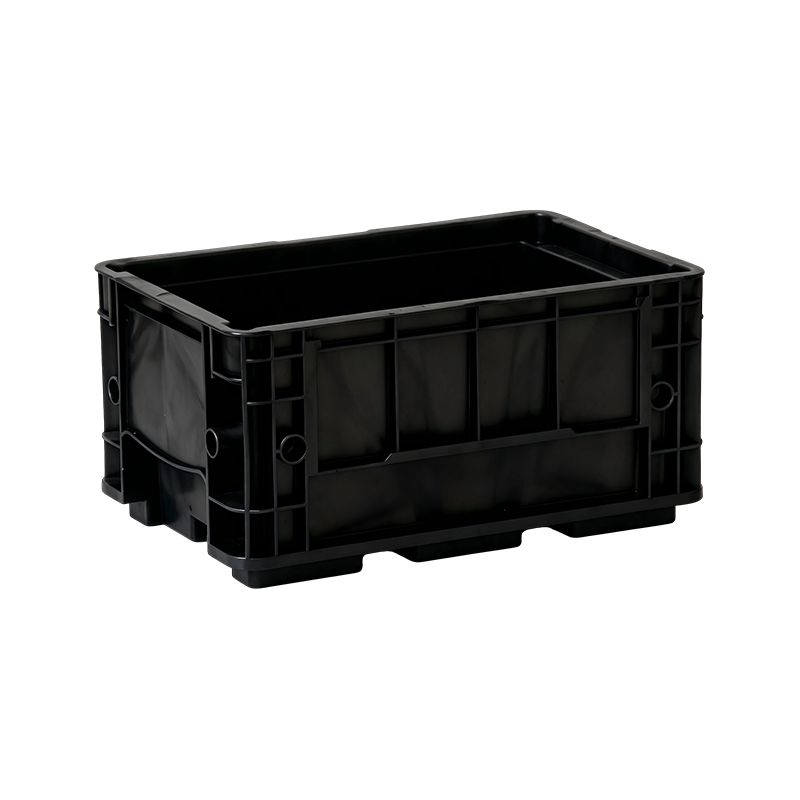 ESD-R-KLT3115 Anti-static Plastic Bins for Workshop Parts Handling & Circulation

Copyright © Suzhou He Cheng Feng Esd Circulation Box Co., Ltd.
All Rights Reserved.Custom Reusable Automotive Plastic Containers Suppliers
