

 en
en
 Español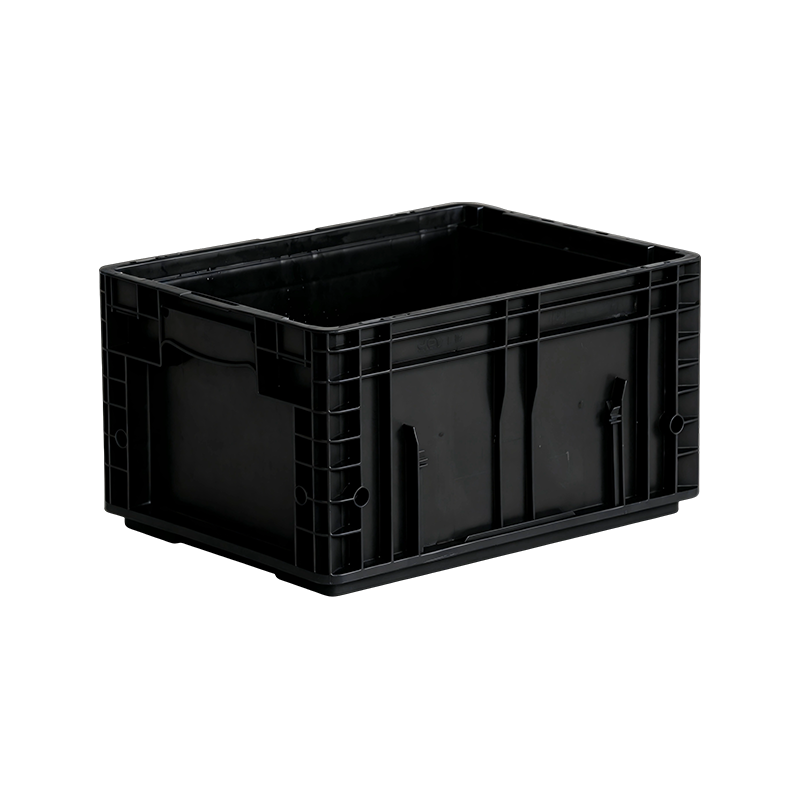


 +86-18052418148
+86-0512-66242257
+86-18052418148
+86-0512-66242257
 daxuezhang@hechengfeng.com

Content
AUTOMOTIVE LOGISTICS | STATIC CONTROL | RETURNABLE PACKAGING
Automotive supply chains depend on the reliable movement of electronic modules, sensors, control units, precision components, and other parts between production sites, assembly operations, warehouses, and suppliers. Packaging must protect components during handling while supporting repeatable material flow, clear identification, and efficient use of transport and storage space.
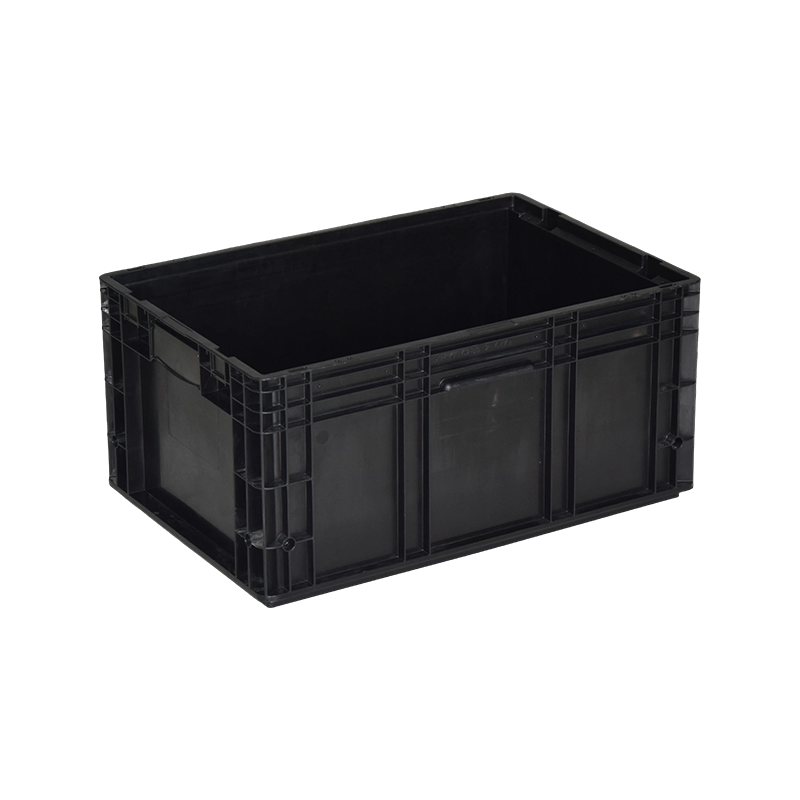
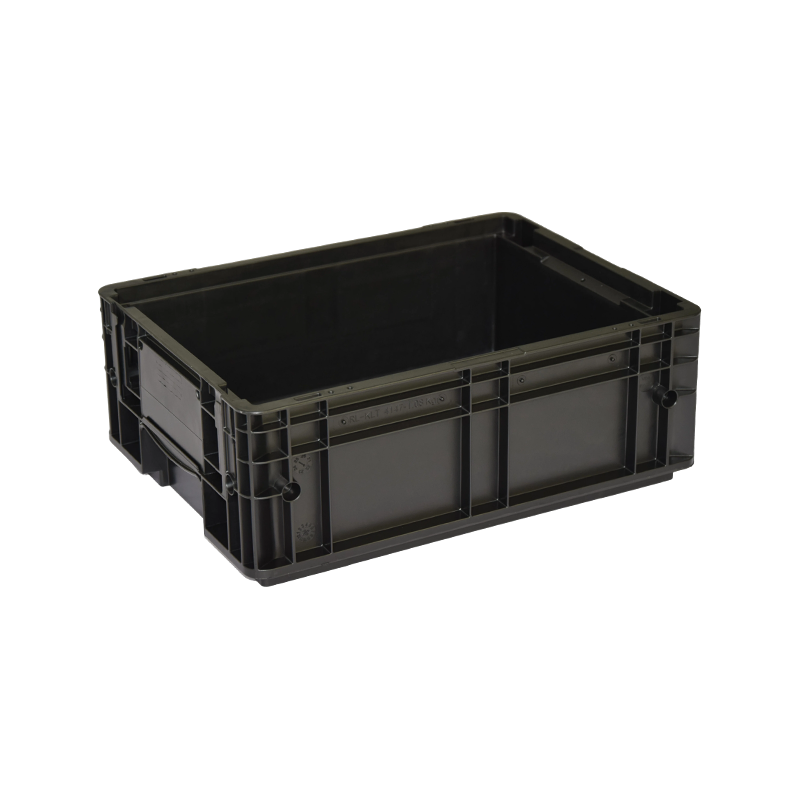
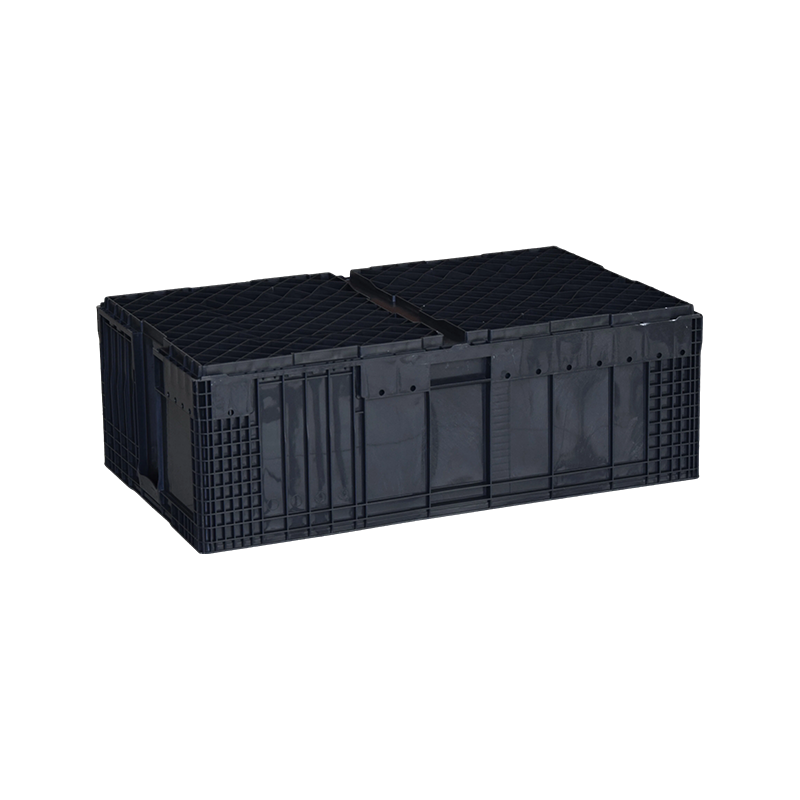
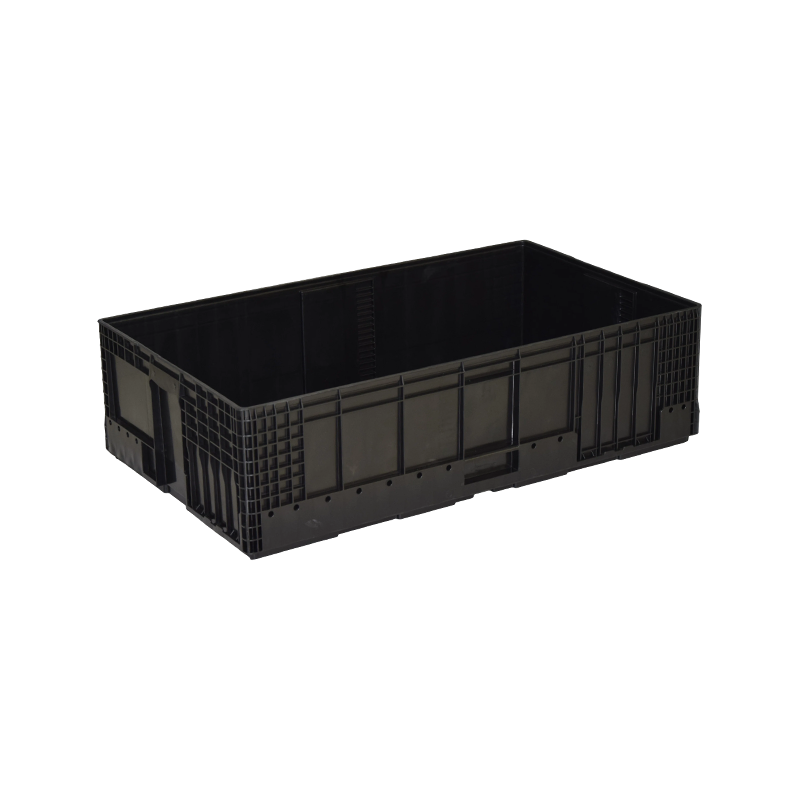
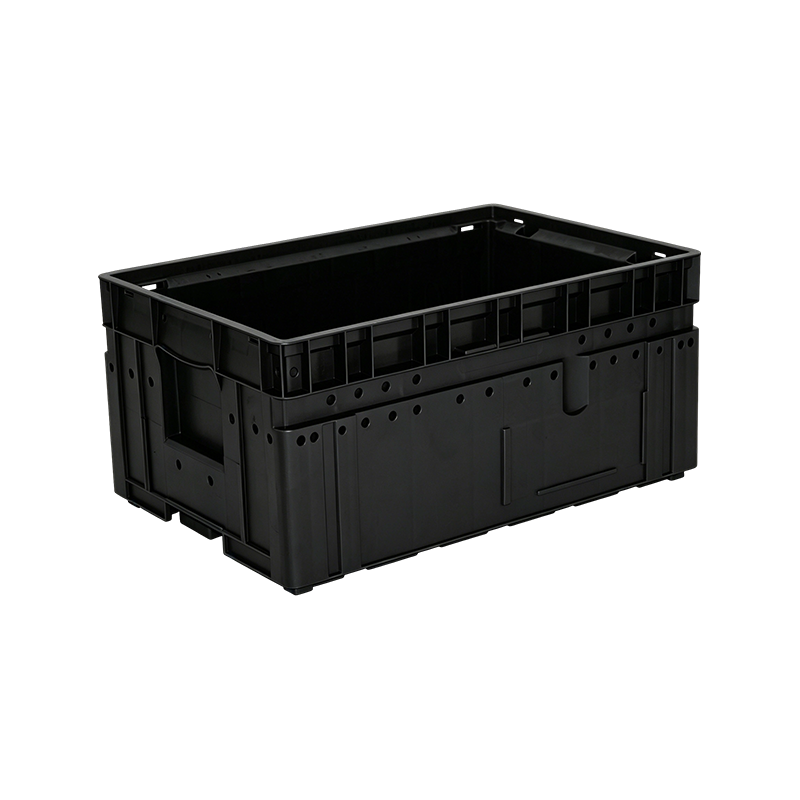
Automotive esd rl-klt logistics containers combine the material-handling principles of standardized small-load containers with electrostatic discharge control. When properly specified and integrated into a logistics process, they can help manufacturers reduce packaging variation, improve handling consistency, and establish more controlled routes for sensitive automotive components.
Their contribution depends on more than the container itself. Material selection, electrostatic performance, component placement, labeling, cleaning, inspection, return logistics, and operator practices all influence the results. A container program should therefore be designed as part of the complete supply chain rather than treated as an isolated packaging purchase.
Control electrostatic exposure and mechanical contact.
Align container dimensions with established material flows.
Coordinate reuse, inspection, and replenishment.
Electrostatic discharge can damage electronic devices even when the event is not visible to an operator. Sensitive semiconductor devices, printed circuit assemblies, electronic sensors, and control modules may experience immediate failure or latent damage that becomes apparent only after additional operation. The consequences can include component rejection, production interruption, additional testing, and warranty exposure.
Static electricity can develop through contact and separation between materials, friction during handling, and the movement of people or equipment. Ordinary plastic packaging may accumulate charge or transfer charge under particular environmental and operational conditions. Its appearance, color, or apparent thickness does not establish whether it provides suitable electrostatic protection.
Important distinction: An ESD-control container is one element of an electrostatic protected area and packaging system. It does not replace grounding, personnel controls, suitable work surfaces, component-specific shielding, or established electrostatic discharge procedures.
For procurement and engineering teams, the practical question is whether a container supports the required protection level at every stage of the intended route. A reusable container that performs well during dispatch but becomes contaminated, damaged, or incorrectly lined during return circulation may not provide consistent protection over its service life.
RL-KLT is associated with standardized returnable small-load containers used in industrial material handling. These containers are designed to support organized storage, transport, stacking, and repeated circulation. Their geometry can help companies develop consistent packing units and simplify the movement of components through interconnected production and logistics operations.
ESD variants add electrostatic-control considerations to this logistics format. Depending on the construction, the container body may use conductive or static-dissipative materials, while the interior may incorporate dedicated trays, separators, or inserts. The appropriate configuration depends on the electrical sensitivity of the parts, packaging arrangement, contact surfaces, and the environment in which the containers are used.
Check the external footprint, usable internal dimensions, stacking interfaces, lid arrangements where applicable, and compatibility with existing racks, carts, conveyors, and transport units.
Verify the specified electrical properties using documented test methods and acceptance criteria appropriate to the intended packaging application.
Assess tray geometry, dividers, surface contact, movement during transport, and whether exposed parts require additional shielding or protective packaging.
These requirements should be evaluated independently. A container may fit an existing material-handling system without providing the required electrostatic properties. Conversely, an electrically suitable container may be impractical if its dimensions, usable volume, or loading arrangement conflict with the production line.
Standardized geometry also does not mean that every RL-KLT container has identical features or is automatically suitable for every application. Purchasing specifications should identify the required format, material, accessories, load conditions, and test evidence rather than relying on a general product designation alone.
The terms conductive and static-dissipative describe different electrical behaviors. Conductive materials allow charge to move relatively readily, while static-dissipative materials release charge at a controlled rate. Both can be used in ESD-control applications, but they are not interchangeable in every process. Selection should follow the component manufacturer's handling requirements and the site's electrostatic control plan.
Material classification alone is insufficient. Surface resistance, volume resistance where relevant, charge generation, grounding arrangements, and the interaction between packaging layers can all affect actual performance. Environmental conditions and repeated use may also influence test results.
A material described as antistatic does not necessarily provide the same level of protection as a qualified conductive or static-dissipative material. Similarly, a container body with appropriate electrical properties may not adequately protect an unshielded electronic component from an external electrostatic event. The whole package and handling route need to be considered together.
The objective is not to select the most electrically conductive material in isolation. It is to establish a suitable, testable, and repeatable packaging configuration that matches the component's sensitivity and the logistics environment.
Supply-chain efficiency depends on the coordination of container dimensions, part quantities, handling equipment, delivery frequency, and return movements. When suppliers use incompatible containers, receiving teams may need to transfer parts, repack loads, or manage additional empty packaging formats. Each extra operation consumes labor and creates another opportunity for component damage or identification errors.
VDA-associated small-load container practices are widely recognized in automotive logistics. However, the exact format, dimensional tolerances, material specifications, and customer requirements must be confirmed for each program. A container's general resemblance to a recognized format does not itself demonstrate compliance with every applicable specification.
The following horizontal bar chart illustrates a planning team's hypothetical assessment of operational priorities. The scores are illustrative values on a five-point internal planning scale, not measured industry results or verified performance claims for any particular container.
Example planning scores, from 1 to 5
Use a locally agreed scoring method to prioritize improvement work. Replace these illustrative values with results from site audits, handling observations, and packaging trials.
Standardization is most effective when it removes unnecessary variation without forcing incompatible components into a single packaging configuration. Fragile parts, large assemblies, and electronic modules with different protection requirements may still need dedicated inserts or distinct container formats.
Reusable packaging can reduce the need for repeated disposable packaging purchases, but only when the return system functions reliably. Container circulation requires visibility over container ownership, location, condition, cleaning status, and availability. Without these controls, reusable assets can become stranded at receiving docks, accumulate at suppliers, or disappear into untracked storage areas.
A return loop should be planned around actual route distance, delivery frequency, turnaround time, storage capacity, loss rates, and the quantity of packaging needed to keep production running. The required pool is not simply the number of containers loaded on a single shipment. It also includes units in transit, at supplier sites, awaiting inspection, and held as operational reserves.
The release stage should include condition checks and any required ESD verification before a container re-enters controlled service.
Returnable packaging can support cost control and waste reduction, but the result depends on utilization. Low return rates, excessive cleaning requirements, long routes, and frequent replacement can weaken the economic case. A pilot should therefore measure the full circulation cycle rather than counting only the containers purchased or the shipments dispatched.
Container selection should be connected to operational measures that can be observed and verified. Useful indicators include repacking time, packaging damage, electrostatic-related nonconformities, inventory accuracy, container turnaround time, loss rate, and cost per completed delivery cycle.
A baseline period helps distinguish actual improvement from normal fluctuations in order volume, staffing, supplier performance, and transport schedules. Where feasible, compare similar parts, routes, and production conditions. Document any simultaneous process changes that could influence the results.
Hypothetical repacking labor index, baseline set to 100
This example demonstrates how a trend may be presented; it is not measured evidence of savings from ESD RL-KLT packaging. Real values must come from time records and comparable operating periods.
| Indicator | What to record | Operational value |
|---|---|---|
| Repacking labor | Minutes spent per shipment or delivery unit | Shows handling effort and process duplication |
| ESD nonconformities | Failures found during audits or testing | Tracks packaging-control consistency |
| Turnaround time | Elapsed time from dispatch to released return | Helps size the reusable container pool |
| Container loss rate | Unreturned or untraceable units over a defined period | Highlights asset-control gaps |
| Packaging damage | Damaged parts or containers by shipment volume | Supports corrective action on packaging design |
Measures should use consistent definitions and denominators. For example, comparing total damage counts across months may be misleading when shipment volumes differ substantially. Reporting incidents per comparable shipment quantity, alongside the absolute number of incidents, gives a more useful view of performance.
The purchase price is only one part of a reusable packaging decision. A complete evaluation should consider the expected service life, container circulation frequency, return transport, cleaning, inspection, tracking, replacement, storage, and any additional protective accessories. Disposable packaging costs should also include packing labor, waste handling, and losses or damage that can reasonably be attributed to the packaging process.
Financial assessments should be based on local operating data instead of generic claims about percentage savings. Two facilities using similar containers may reach different outcomes because one operates a short, frequent return route while the other ships over long distances with irregular return loads.
Illustrative cost units, not market prices or a forecast
The comparison assumes hypothetical total annual cost indices for demonstration only. It does not establish a typical saving, and the result could reverse when return, cleaning, loss, or replacement costs are high.
Run at least one sensitivity analysis for container life, return rate, and transportation cost. This reveals whether the business case depends on optimistic assumptions. A practical decision should remain understandable to procurement, logistics, quality, and finance teams and should identify which assumptions need ongoing monitoring.
There is no single container configuration that is optimal for every automotive component. The selection depends on the component's electrical sensitivity, dimensions, weight, fragility, presentation method, cleanliness requirements, and route conditions. A structured comparison helps teams understand trade-offs before committing to a standardized fleet.
The radar chart below is an illustrative qualitative comparison, not a laboratory test or an independent rating. The five dimensions represent example evaluation criteria. Actual ratings should be assigned using the facility's requirements, verified product documentation, and trial results.
The plotted shapes are schematic. They should not be interpreted as measured rankings or as proof that any packaging type meets a specific ESD requirement.
| Evaluation criterion | Questions for engineering and logistics |
|---|---|
| Electrical protection | Does the complete packaging system meet the component and site requirements? |
| Handling compatibility | Can it pass through the intended racks, carts, conveyors, and workstations? |
| Part organization | Are dedicated inserts or compartments needed to prevent movement and contact? |
| Reuse and cleaning | Can the container be inspected, cleaned, and returned without compromising performance? |
| Shielding requirements | Does the component require a qualified shielding enclosure in addition to the tote? |
Different production stages create different packaging priorities. A container used for electronic control modules may need carefully designed inserts and additional shielding. A container for a robust metal component may emphasize load stability, cleanliness, and line-side access. Packaging specifications should reflect the actual part and its handling path rather than treating all automotive parts as equally sensitive.
Printed circuit assemblies, sensors, electronic control units, and power-management components may require controlled electrostatic handling from production through shipment. Packaging design should prevent unnecessary movement, separate individual units where required, and support clear lot identification. Components that require shielding should remain inside the qualified shielding package during transportation and storage.
Assembly operations often rely on predictable presentation quantities and repeatable container positions. Standardized containers can support material replenishment, reduce transfers between incompatible packaging formats, and make line-side storage easier to organize. Dividers and trays should be designed around part geometry, operator access, and the prevention of incorrect part mixing.
Multi-stage distribution networks may involve consolidators, cross-docking facilities, regional warehouses, and return transport. Consistent container identification and handling rules help preserve packaging status across these transitions. Where multiple suppliers participate in a shared returnable packaging system, responsibilities for loss reporting, cleaning, inspection, and inventory reconciliation should be agreed in advance.
Aftermarket distribution can require smaller order quantities, more varied destinations, and longer storage periods. In these cases, packaging selection must consider picking frequency, part identification, shelf conditions, and the protection needed during parcel or consolidated transport. A returnable bulk container may serve as the warehouse handling unit while individual parts remain in suitable protective packaging.
These applications illustrate why a single container can play different roles within the same network. It may be a transport unit, a storage unit, a line-side presentation tray, or a returnable asset. Its approved use should be documented so that downstream operators do not assume protection properties or handling permissions that have not been verified.
A structured implementation process reduces the risk of selecting containers that appear compatible but fail during routine operation. It also gives purchasing, quality, production, and logistics teams a shared basis for approval.
Identify component types, electrostatic sensitivity, part dimensions, shipment volumes, handling steps, storage conditions, and the locations where containers are transferred. Record existing repacking activities and identify where the current process creates delays or quality risks.
Document the required container format, dimensions, load capacity, material properties, insert design, label position, stacking conditions, cleaning method, and return arrangements. Specify the relevant test evidence and acceptance criteria. Confirm which requirements originate from the customer, the component manufacturer, the site ESD program, or the logistics operation.
Test the proposed configuration with real parts and the intended handling equipment. Include loading, unloading, transport, stacking, line-side access, label scanning, and empty return. Where relevant, carry out electrical testing and inspect the container after repeated handling or cleaning cycles.
Confirm that employees can identify the approved container, follow loading instructions, segregate nonconforming units, and record circulation events. Check that warehouse systems and replenishment rules account for empty containers, containers in transit, and units awaiting inspection.
Monitor agreed indicators and investigate deviations. Changes in material, supplier process, cleaning agent, insert design, or component packaging should be assessed before implementation if they could affect fit, protection, or handling. Periodic reviews help confirm that the original approval remains valid under actual use conditions.
Map the route
Write the specification
Trial and test
Train and release
Measure and improve
Most packaging problems arise not from the container designation alone but from gaps between the specification and the operating process. The following mistakes deserve particular attention during supplier evaluation and implementation.
Electrical performance varies by material, construction, surface condition, and test method. Ask for the relevant documentation and verify that the finished configuration meets the required acceptance criteria.
Foam, trays, bags, and dividers can change how components contact surfaces and how charge is generated or dissipated. Evaluate the complete package rather than approving the container body alone.
A container that resembles a recognized standardized format may still differ in dimensions, material, load capacity, or stacking features. Verify the specification required by the customer or production system.
Repeated circulation can introduce residue, abrasion, cracks, deformation, and label damage. Establish inspection intervals, cleaning instructions, rejection criteria, and records for units removed from service.
Return freight, collection frequency, temporary storage, and container loss can significantly affect total cost. Define return responsibilities and tracking rules before expanding the container fleet.
A lower unit price does not necessarily translate into a lower cost per successful delivery cycle. Consider labor, quality, handling equipment, service life, return transport, and asset management alongside initial procurement cost.
Resolving these issues before rollout makes the program easier to validate and maintain. It also provides clearer evidence for supplier qualification, customer approval, and internal audits.
Before approving a container for production use, purchasing and engineering teams should assemble a specification package that makes requirements measurable. The checklist below can be adapted for supplier requests, engineering reviews, and pilot acceptance.
For procurement comparisons, request equivalent information from each potential supplier. Inconsistent test conditions or incomplete quotations make it difficult to assess whether different offers provide the same technical capability. If a supplier proposes an alternative material or accessory, evaluate it against the original requirements instead of assuming that similar appearance or dimensions guarantee equivalent performance.
It is also useful to distinguish mandatory acceptance criteria from preferred features. Electrical requirements, load safety, and customer-mandated dimensional specifications may be mandatory, while certain labeling conveniences or optional accessories may be negotiable. This separation supports transparent evaluation without weakening essential component protection.
They are returnable small-load containers designed for automotive material handling and configured with electrostatic-control properties for suitable applications. The approved configuration may include dedicated inserts, trays, or additional protective packaging, depending on the parts being transported.
No. Standard logistics geometry does not guarantee electrostatic protection. The specific material, construction, electrical properties, and intended use must be verified against the applicable ESD requirements.
Conductive materials allow charge to move relatively readily, while static-dissipative materials release charge in a controlled manner. The suitable choice depends on the component sensitivity, system design, and established electrostatic control requirements.
Not necessarily. An ESD-control tote may help manage charge and provide organized handling, but sensitive electronics may require a qualified shielding enclosure. The packaging design should address the full route and the component's required level of protection.
Identify the required container format and dimensional specification, verify the applicable customer requirements, document the electrostatic performance criteria, and assess inserts, loading conditions, and handling interfaces. Confirm the relevant standard and revision rather than relying on a general format description.
They can reduce recurring disposable packaging use when return rates and service life justify the initial investment. A reliable evaluation must include container purchases, return transport, cleaning, inspection, losses, replacement, and handling labor.
Inspection frequency should follow risk, usage intensity, cleaning practices, and the site's quality system. Check for cracks, deformation, contamination, worn surfaces, damaged accessories, and unreadable identification. Additional testing may be required under the approved control plan.
Potential applications include electronic control units, sensors, printed circuit assemblies, semiconductor-related components, and other parts with documented electrostatic sensitivity. Requirements vary by component, so engineering and quality teams should confirm the appropriate configuration.
Establish a baseline and track repacking labor, packaging damage, ESD nonconformities, return turnaround time, container loss, and cost per delivery cycle. Compare equivalent operating periods and document other changes that may affect the results.
Review dimensional conformity, load and stacking requirements, documented electrical properties, accessory compatibility, cleaning instructions, traceability, quality controls, and sample-trial results. Confirm that proposed substitutions are assessed before production release.
Automotive ESD RL-KLT logistics containers can support more consistent handling of sensitive components when electrostatic performance, standardized geometry, part organization, and return circulation are addressed together. Their value comes from fitting a verified packaging configuration into a controlled material flow, not simply from selecting a container with an ESD designation.
Manufacturers and logistics teams should define measurable requirements, test representative loads, establish cleaning and inspection controls, and evaluate total operating costs over the complete circulation cycle. By linking container specifications with traceability and performance monitoring, organizations can make packaging decisions that support component protection, reliable replenishment, and more predictable automotive supply-chain operations.

Copyright © Suzhou He Cheng Feng Esd Circulation Box Co., Ltd.
All Rights Reserved.Custom Reusable Automotive Plastic Containers Suppliers
