

 en
en
 Español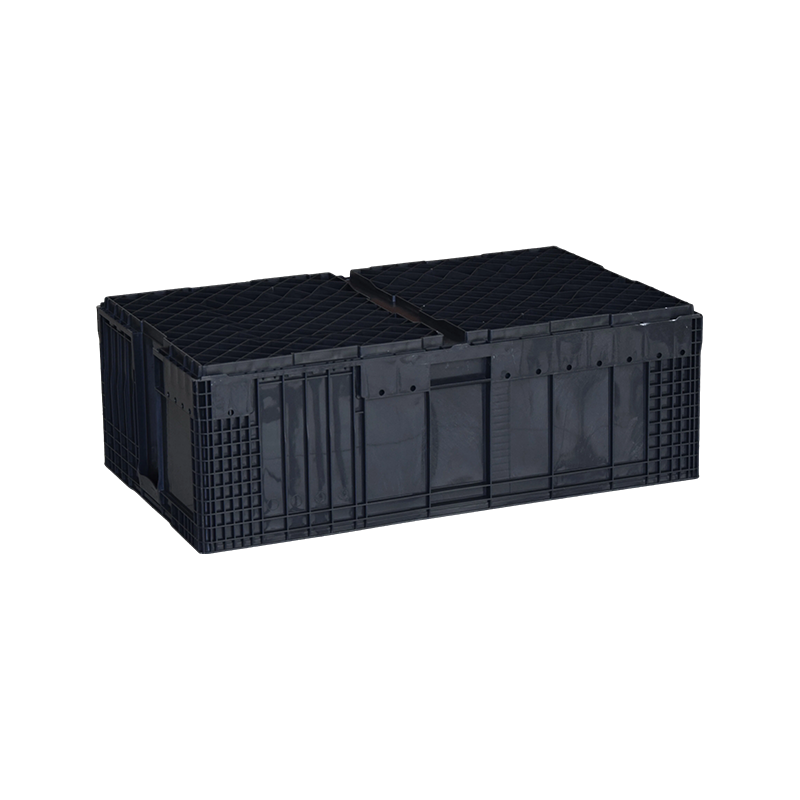


 +86-18052418148
+86-0512-66242257
+86-18052418148
+86-0512-66242257
 daxuezhang@hechengfeng.com

Content
Factory efficiency depends on more than machine speed and labor productivity. The way electronic components, precision parts, and work-in-process materials move between storage, assembly, inspection, and packaging also affects throughput. When these items require electrostatic discharge protection, the choice of logistics container becomes part of the production control process.
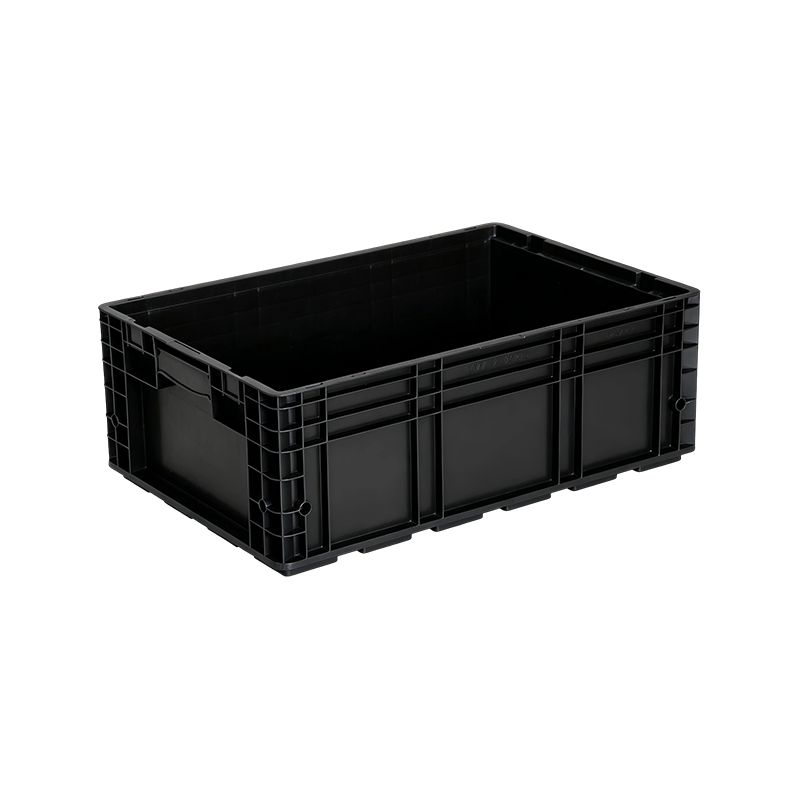
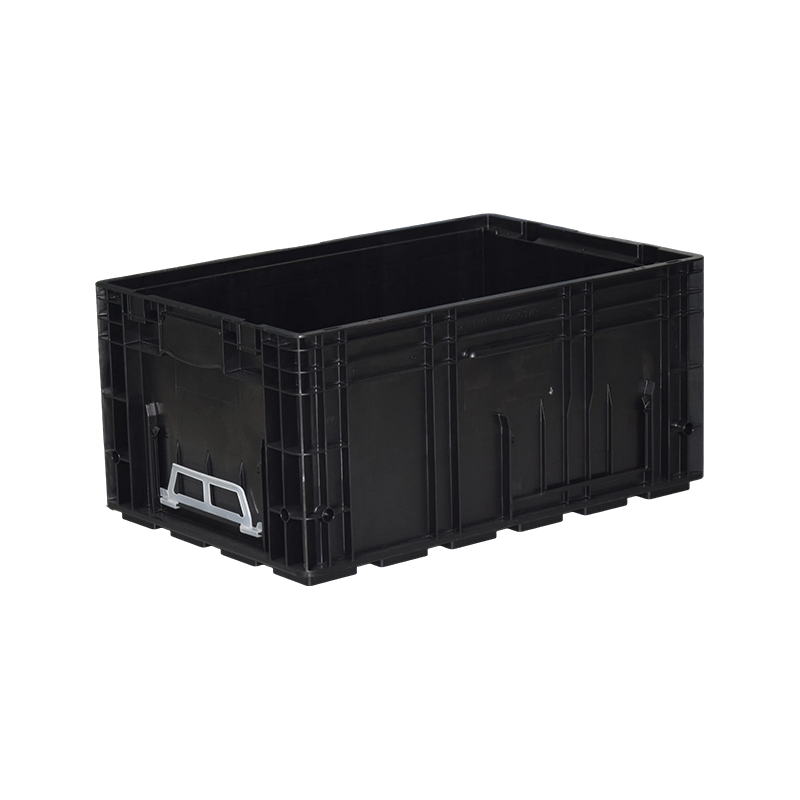
Esd m-klt logistics containers are intended for material handling environments where standardized transport, organized small-part storage, and electrostatic risk management need to work together. Their practical value comes from integrating containers into repeatable workflows rather than treating them as ordinary plastic boxes.
For factories handling circuit assemblies, sensors, electronic connectors, control modules, and other electrostatic-sensitive items, container selection can influence handling consistency, material identification, storage density, and internal transport. A well-planned container system also helps reduce unnecessary repacking and searching during production.
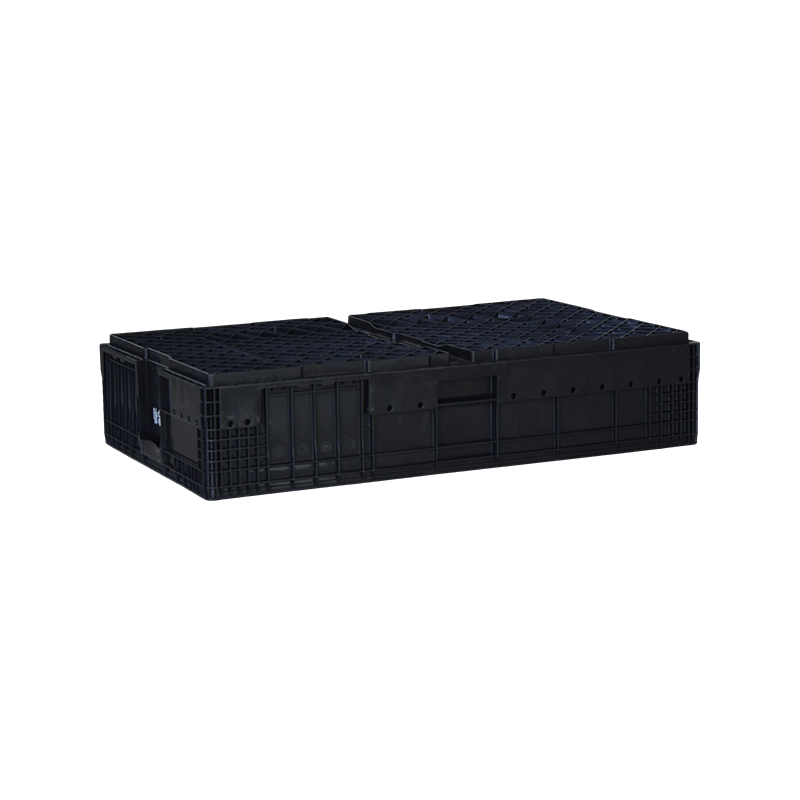
Standardized containers support consistent handling between workstations and storage areas.
Electrostatic protection, container organization, and material flow should be planned together. A container alone cannot eliminate every source of electrostatic discharge or guarantee higher production output.
Electronic manufacturing frequently involves components that can be damaged by electrostatic discharge even when no visible spark occurs. Semiconductor devices, integrated circuits, exposed circuit boards, and certain sensor assemblies may require controlled handling throughout production. Damage can be immediate, or it may remain latent and appear later during testing or field operation.
Traditional containers can create challenges when their material properties are unknown, their internal surfaces accumulate charge, or they are repeatedly transferred between areas with different electrostatic control requirements. Mixed container types can also complicate inventory organization and make standard handling procedures more difficult to maintain.
ESD M-KLT containers can help address these operational issues when their electrical properties, physical dimensions, and intended applications match the facility's requirements. They provide a repeatable container format for moving compatible materials between defined locations.
Support documented movement of electrostatic-sensitive items through approved production zones.
Make container identification, staging, and material replenishment more consistent.
Reduce avoidable differences in how operators collect, transport, and return parts.
The most important distinction is that a container should be selected according to the actual sensitivity of the payload and the facility's electrostatic control plan. Not every plastic component requires the same protection, and not every ESD-designated container is suitable for every device or process.
Production lines lose time when materials arrive in inconsistent packaging, components are difficult to identify, or operators must transfer parts repeatedly between temporary storage locations. Standardized ESD M-KLT plastic crates can help establish a common handling unit for incoming inspection, component storage, line-side replenishment, assembly, and finished-part transfer.
Every additional transfer creates another handling step. It may require opening a package, counting components, changing containers, checking labels, or arranging parts for the next operation. Some transfers are necessary for quality control, but repeated transfers caused by poor container planning add work without improving the product.
A suitable M-KLT container can remain associated with a defined material lot or production order as it moves through approved stages. Where process requirements permit, this reduces repacking and preserves a consistent relationship between the container, the material identification, and the work instruction.
At assembly stations, clearly defined container locations can help operators distinguish incoming components, work in progress, inspected items, and materials awaiting replenishment. Container dimensions should fit the available racks, shelves, carts, and workstation layouts without obstructing access or creating unsafe lifting conditions.
Before standardizing a container, evaluate the following factors:
Standardization is most effective when it simplifies work for operators. A container that fits the warehouse but is awkward at the assembly bench can move a problem from one department to another instead of resolving it.
Factories should evaluate container performance using observable operating indicators rather than assuming that changing packaging will automatically increase productivity. Useful indicators include handling time, repacking frequency, material search time, damage reports, and the percentage of containers returned to the correct location.
The following horizontal bar chart presents an illustrative assessment of five improvement opportunities. The values are hypothetical planning scores on a relative scale from zero to one hundred, not measured industry averages or guaranteed results. Each factory should establish its own baseline before prioritizing changes.
Relative priority score, not measured productivity gain
Illustrative values are provided only to demonstrate how a factory can rank improvement opportunities.
To build a meaningful baseline, observe representative production shifts and record the time spent locating materials, transferring containers, correcting identification errors, and resolving damaged-part incidents. Separate routine work from exceptional events so that a single unusual production run does not distort the assessment.
After introducing standardized containers, repeat the same observations under comparable conditions. Compare results by workstation, product family, and material type. If handling time falls but damaged components increase, the overall process has not improved. Efficiency measurements should always be considered alongside quality and electrostatic control performance.
Electrostatic discharge control involves more than selecting a container with a dark surface or an ESD label. The relevant material properties, electrical resistance characteristics, charge generation behavior, and compatibility with the surrounding control system need to be verified.
Static dissipative materials allow electrical charge to move away at a controlled rate. Conductive materials have lower electrical resistance and can transfer charge more readily. Insulative materials resist charge movement and may retain charge on their surfaces. These broad descriptions are useful for preliminary selection, but the actual performance of a container depends on its material formulation, surface condition, geometry, and test method.
A static dissipative container is not automatically a shielded container. Dissipative behavior and electrostatic shielding address different properties. If sensitive devices must be protected during transport outside a controlled environment, the packaging system may need additional shielding or other protective features determined by the applicable handling requirements.
Designed to dissipate charge in a controlled manner when used within the specified electrical and environmental conditions.
Verify resistance characteristics and compatibility with the intended ESD program.
Allows charge to move readily through the material and may be suitable for defined conductive handling applications.
Check contact risks and the requirements for sensitive exposed components.
Provides protection against electrostatic fields or discharges when the complete packaging system is designed and tested for that purpose.
Confirm shielding performance rather than relying on the container's appearance.
Static dissipative storage containers should form part of an electrostatic control program that also considers personnel grounding, work surfaces, carts, packaging, humidity where relevant, and process-specific handling procedures. No single container can replace those controls.
A container improvement project should include a defined observation period. A simple trend chart can help production managers see whether handling time is becoming more consistent after standardized containers and storage positions are introduced.
The line chart below uses hypothetical handling-time index values across six review periods. The index illustrates a possible improvement pattern; it does not predict the results of a real deployment. In an actual factory, record the time per comparable material-handling cycle and document any changes to staffing, product mix, distance, or production volume.
Baseline index equals 100
Hypothetical index values: 100, 94, 88, 84, 76, and 72. They are not field measurements.
When actual data show an improvement, investigate which changes contributed to the result. Shorter travel distances, better shelf labels, fewer container exchanges, and more reliable replenishment may all influence handling time. Do not attribute every change to the container itself without examining the wider workflow.
Small components create a specific set of logistics challenges. They can be difficult to count, easy to mix with similar parts, and vulnerable to movement during transport. A container that is too large may allow excessive movement, while an overcrowded container can cause tangling, abrasion, or difficulty retrieving individual items.
Small parts ESD containers should be matched to the component dimensions, the quantity required at each workstation, and the maximum time that material is expected to remain at the line. Inserts, partitions, and compartment layouts can improve separation, but they must also be compatible with the electrostatic control requirements.
Internal packaging should not be selected solely because it fits the container. Inserts and bags can introduce different electrical properties, generate charge through friction, or interfere with charge dissipation. Test the complete combination of container, insert, and payload under the intended use conditions.
Line-side storage should hold enough components to support production between planned replenishment cycles without creating excessive work-in-process inventory. The appropriate quantity depends on demand variability, replenishment lead time, component value, shelf-life restrictions, and the physical space available at the workstation.
Oversized quantities can obscure inventory status and occupy space needed for other materials. Quantities that are too small can lead to frequent interruptions and emergency material movements. Use consumption records and replenishment observations to determine the right container loading level for each part family.
Container selection involves several criteria that do not always carry equal importance. Electrical performance may be a mandatory requirement for one application, while stackability, cleaning access, or internal organization may dominate another. A radar chart provides a compact way to compare planning priorities before physical trials.
The following chart compares two hypothetical selection profiles. The values are illustrative ratings from one to five, not test results or ratings of a particular product. The first profile emphasizes electrostatic control and component protection. The second emphasizes space utilization and routine handling convenience. Neither profile is universally superior; the appropriate balance depends on the application.
Illustrative ratings from one to five
Ratings represent hypothetical planning priorities. Actual scores should come from requirements review and validation testing.
For procurement, begin by separating mandatory criteria from preferences. A container that fails the required electrical specification should not be accepted simply because it stacks efficiently. Once essential requirements are met, compare useful capacity, handling comfort, cleaning procedures, durability, return logistics, and compatibility with existing equipment.
Storage density affects how much floor space and shelving are needed to support production. Standardized containers can make layout planning more predictable, particularly when dimensions correspond to existing racks, carts, and material-handling systems. However, nominal external dimensions do not represent usable internal capacity, and maximum stacking height should never be assumed without verification.
Procurement teams should distinguish between the outside footprint, the usable internal space, and the quantity of parts that can be stored without compromising access or protection. A container with a larger internal volume is not necessarily more efficient if the parts move excessively or operators cannot retrieve them safely.
For stacked storage, verify loaded weight, container stability, stacking compatibility, shelf capacity, and any restrictions imposed by the handling equipment. Consider the reach height of operators and whether frequently used materials should be stored at more accessible levels.
Each storage position should have a clear identifier that connects the physical location to the inventory record. Containers should have readable labels for material identity, lot or batch information where required, status, and destination. Barcode or other scanning systems can reduce manual entry, but only when the identification process is consistently maintained.
A practical storage policy can include:
Good warehouse organization prevents container standardization from becoming another layer of complexity. The purpose is to make the correct action obvious and repeatable for employees across shifts.
Efficiency gains depend on the entire route from incoming materials to final dispatch. A container may be appropriate for one stage but unsuitable for another, particularly when electrostatic requirements, cleanliness controls, or product protection rules change between locations.
The process diagram below illustrates a controlled handling sequence. The actual route should be adapted to the factory's inspection rules, production planning system, traceability requirements, and material risk assessment.
Receiving: Confirm that the material identity, quantity, packaging condition, and required electrostatic handling status match the documentation. Hold discrepancies for review rather than placing them directly into released inventory.
Storage: Assign a defined location and maintain separation between materials with different status or handling requirements. Keep containers away from sources of contamination and physical damage.
Line-side delivery: Confirm the destination, quantity, and required handling method. Avoid placing containers on unapproved surfaces or mixing incompatible components in one load.
Return and reuse: Inspect containers for cracks, deformation, contamination, damaged identification, and other defects. Follow the site's rules for cleaning, electrical-property verification, and removal from service.
A factory should not define efficiency only as the number of containers moved or the speed of a material transfer. The objective is to support production with less avoidable effort while maintaining product integrity, traceability, and operator safety.
The illustrative column chart below compares hypothetical monthly process indicators before and after a handling improvement project. The values represent relative index readings for demonstration only. They are not measured outcomes from a particular factory and should not be interpreted as typical reductions in damage or labor.
Relative index, with baseline set to 100
Hypothetical indices only. Actual performance must be measured using consistently defined indicators.
Before-and-after reviews are useful only when each indicator has a clear definition. Handling time should refer to the same type of movement, search time should use the same start and end points, and damage events should follow a consistent reporting rule. Production volume and component mix should also be considered when comparing periods.
Use several indicators to avoid improving one metric at the expense of another. Faster transfers are not beneficial if they increase part movement, inspection failures, or unsafe lifting. A more efficient process should show a credible improvement in material availability and handling consistency without weakening electrostatic protection or quality controls.
Reusable logistics containers can support a closed-loop material handling system, but their condition must remain suitable for the intended use. Repeated stacking, cart movement, impact, cleaning, and exposure to workplace contaminants can affect the physical integrity and usability of a container. Depending on its material and design, these conditions may also influence electrical performance.
Define inspection frequency according to usage intensity, environmental conditions, component sensitivity, and the consequences of failure. A quick visual check may be sufficient for some physical defects, while electrical properties may require a documented test method and suitable equipment.
An ESD designation should not be treated as proof that a used container continues to meet every required specification. Where electrical resistance or other electrostatic characteristics are critical, define acceptance criteria and verification intervals based on risk assessment, supplier documentation, and the applicable control program.
Cleaning agents, surface contamination, abrasion, and unauthorized modifications can change the behavior of some materials. Avoid applying coatings, adhesives, or replacement inserts without confirming compatibility. If the container fails a required check, quarantine it and document the disposition.
Reuse decisions should also account for traceability. A container that is physically intact may still be unsuitable if its identity cannot be established or its previous contents create a contamination risk. Clear inspection records help maintenance and quality teams distinguish normal wear from recurring process failures.
Investment decisions should include acquisition cost, service life, handling labor, cleaning, inspection, loss, repair, and replacement. Comparing purchase prices alone can overlook the recurring effort needed to manage mixed container systems or the costs associated with unsuitable packaging.
A practical evaluation can begin with the following cost categories:
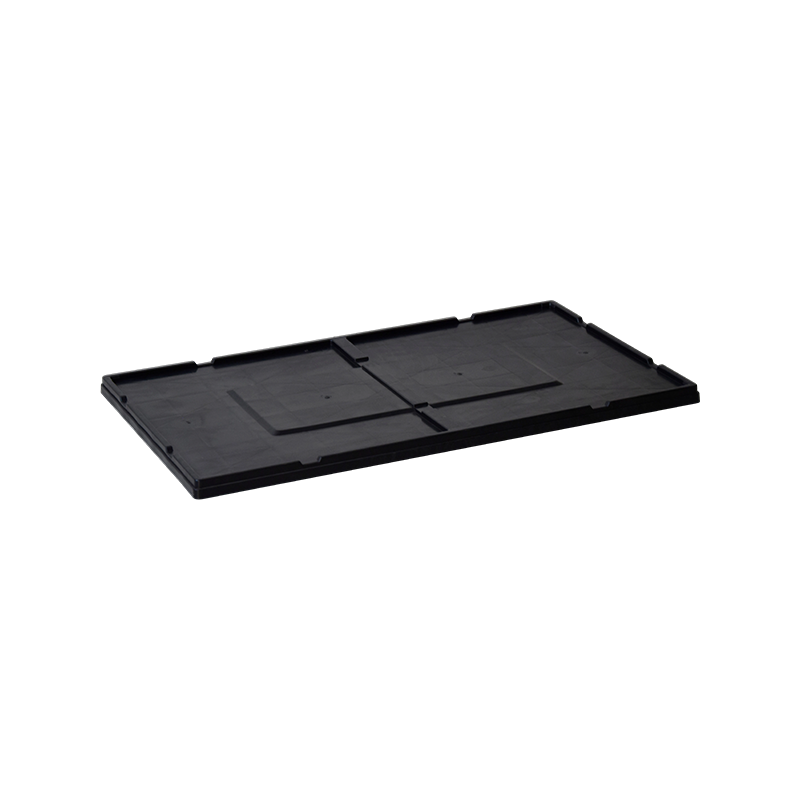
Container quantities, approved inserts, covers, identification labels, and any required storage accessories.
Labor for filling, transferring, counting, locating, cleaning, inspecting, and returning containers.
Documented expenses associated with handling damage, rejected parts, additional inspection, and investigations.
Replacement planning, container loss, periodic verification, and disposal or retirement procedures.
Where reliable records exist, estimate the annual operating cost of the current process and compare it with the proposed standardized process. Include the costs of implementation, employee training, and any changes to racks or transport equipment. Keep quality and compliance requirements as acceptance conditions rather than treating them as optional savings opportunities.
A controlled pilot is usually more informative than a large immediate conversion. Select a representative product family, document the current process, test the container configuration, and review the results with production, quality, warehouse, and ESD program personnel. Expand only after the trial confirms that the proposed arrangement is suitable for the intended application.
Even well-designed containers can fail to deliver expected results when the implementation plan overlooks operator behavior, storage conditions, or electrical compatibility. The following issues deserve attention before a factory introduces a standardized container system across multiple departments.
A container may fit the rack but fail to protect the payload or provide enough separation between parts. Confirm electrical properties, internal capacity, load stability, and access requirements before approval.
Combining unverified liners, dividers, and containers can undermine the intended electrostatic controls. Assess the complete handling configuration rather than evaluating each item in isolation.
A container system that slows retrieval or creates awkward lifting may be bypassed by operators. Conduct workstation trials and incorporate feedback into the final layout and work instructions.
Containers may accumulate at workstations, disappear into other departments, or return without inspection. Define return points, ownership, and exception handling so that reusable stock remains available.
Labels communicate intended use but do not replace documented material properties or a functioning electrostatic control program. Establish acceptance criteria and verification responsibilities.
Implementation should include written handling procedures, staff training, defined storage positions, and an escalation path for damaged or unverified containers. The purpose of standardization is to make correct handling easier, not to add unnecessary administrative steps.
A phased rollout allows factories to validate container suitability while limiting disruption to established production. The plan should involve operations, procurement, quality assurance, warehouse management, and the personnel responsible for electrostatic discharge control.
Record where materials enter, where containers are opened, how parts are replenished, and where containers are returned. Identify recurring delays and potential ESD exposure points.
Document component sensitivity, electrical performance needs, load capacity, dimensions, internal organization, environmental conditions, and compatibility with current handling equipment.
Trial the proposed containers with actual parts and normal handling equipment. Review ergonomics, material movement, identification, cleaning, and electrical performance.
Compare baseline and trial data using the same definitions. Correct layout, loading, labeling, or return-process issues before expanding the system.
Approve the configuration, train employees, assign ownership, and establish inspection and review intervals. Monitor results after deployment to confirm continued suitability.
The rollout should have explicit approval criteria. These may include verified electrical properties, safe handling, compatibility with storage equipment, acceptable material traceability, and demonstrated process performance. A failed criterion should trigger corrective action rather than an automatic expansion to additional production areas.
Periodic reviews are important because product designs, production volumes, component sensitivity, and factory layouts can change. Reassess the container arrangement whenever a process change alters the required protection or the way materials move through the facility.
They are used to organize, store, and transport compatible materials in manufacturing and logistics environments that require electrostatic discharge controls. Typical applications include electronic components, circuit assemblies, sensors, connectors, and other parts whose handling requirements justify an ESD-controlled container.
They can support standardized material movement, more consistent storage, easier identification, and reduced unnecessary repacking. Actual efficiency improvements depend on container suitability, workstation layout, replenishment procedures, employee training, and the way performance is measured.
No. Static dissipative materials allow charge to move at a controlled rate, while conductive materials generally allow charge to move more readily. The appropriate material depends on the application, component sensitivity, and the electrical requirements established by the site's ESD control program.
No single container guarantees complete protection in every situation. Protection depends on verified material properties, the complete packaging arrangement, handling procedures, personnel grounding where required, work surfaces, transport conditions, and other elements of the electrostatic control program. Shielding may be necessary for some transport applications.
Buyers should check documented electrical properties, internal dimensions, load capacity, stacking compatibility, compartment options, component protection, cleaning requirements, identification methods, and compatibility with existing racks and carts. The complete container and insert combination should be assessed for the intended use.
Inspection frequency should reflect use intensity, environmental conditions, material sensitivity, and the consequences of failure. Visual checks can identify physical damage and contamination, while electrical verification may require a separate documented schedule and suitable test methods.
Reuse is possible when the container remains in acceptable condition and meets the electrical, cleanliness, traceability, and physical handling requirements of the receiving process. Facilities should inspect containers and confirm compatibility before transferring them between production areas.
Establish baseline measures for handling time, material search time, repacking frequency, inventory discrepancies, and documented damage events. Repeat measurements after implementation under comparable conditions, while confirming that quality, safety, and electrostatic control requirements remain satisfied.
An ESD container may provide static dissipative or conductive material characteristics, but these properties do not automatically establish shielding performance. Shielding packaging is designed and tested to provide protection against specified electrostatic threats. Select the required protection according to the device sensitivity and transport environment.
A container standard should identify approved applications, dimensions, electrical requirements, loading limits, inserts, labels, cleaning instructions, inspection criteria, storage rules, and return procedures. It should also specify who approves deviations and how nonconforming containers are identified and removed from use.

Copyright © Suzhou He Cheng Feng Esd Circulation Box Co., Ltd.
All Rights Reserved.Custom Reusable Automotive Plastic Containers Suppliers
