



 en
 Español

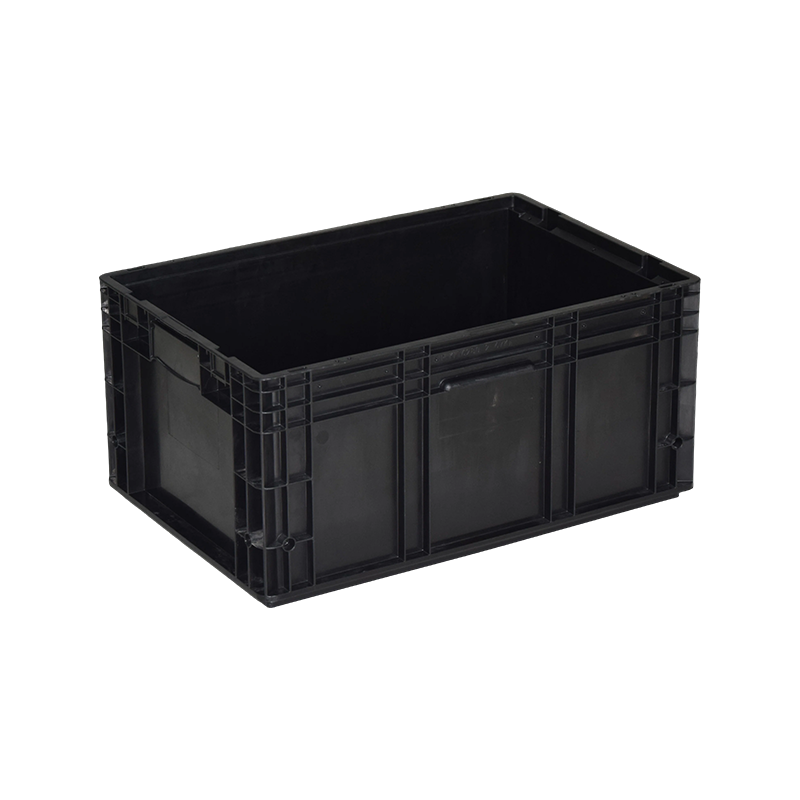
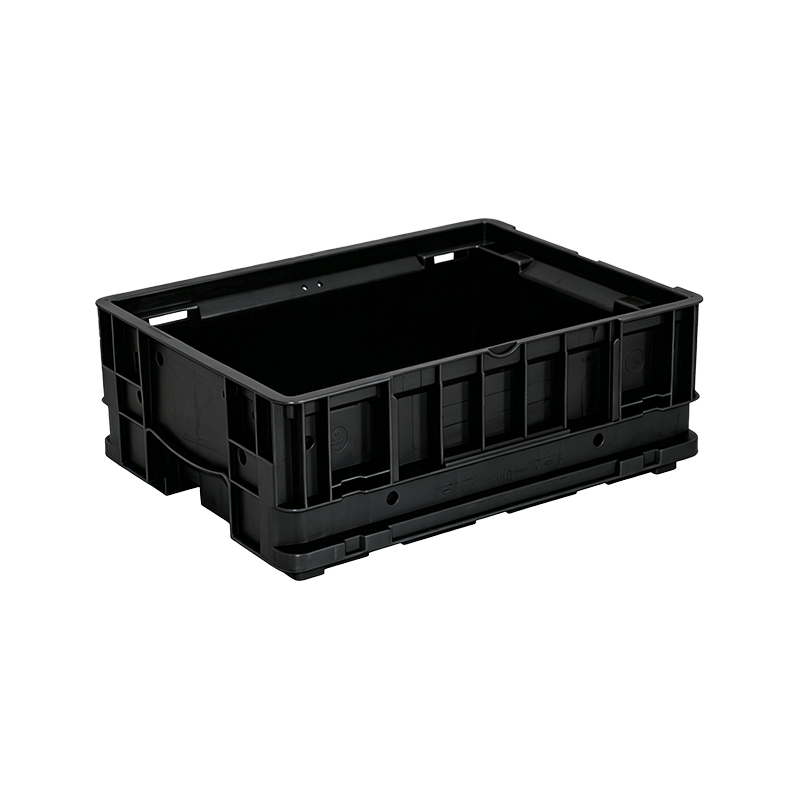
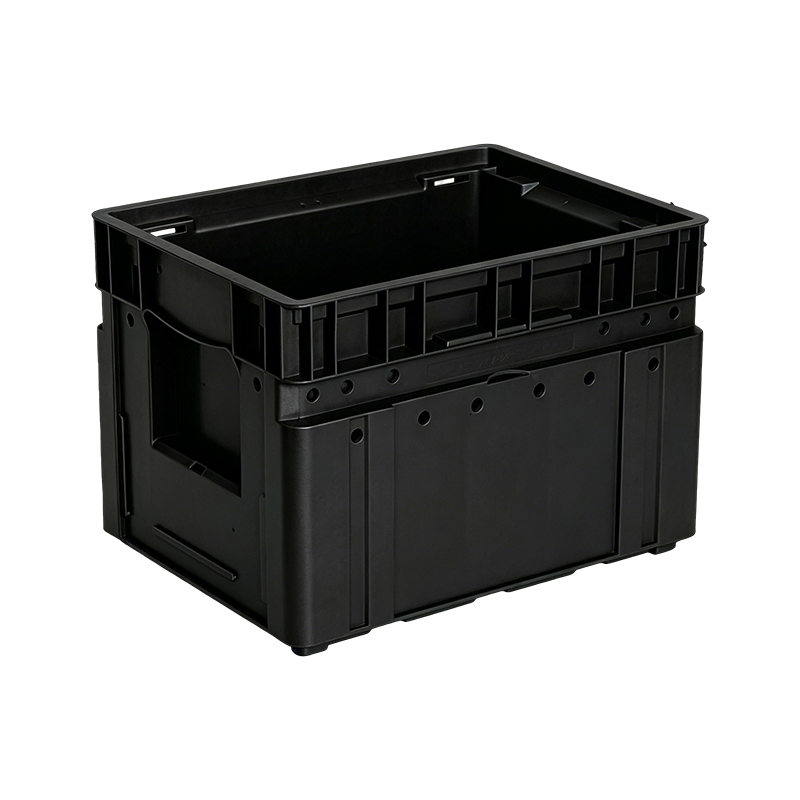
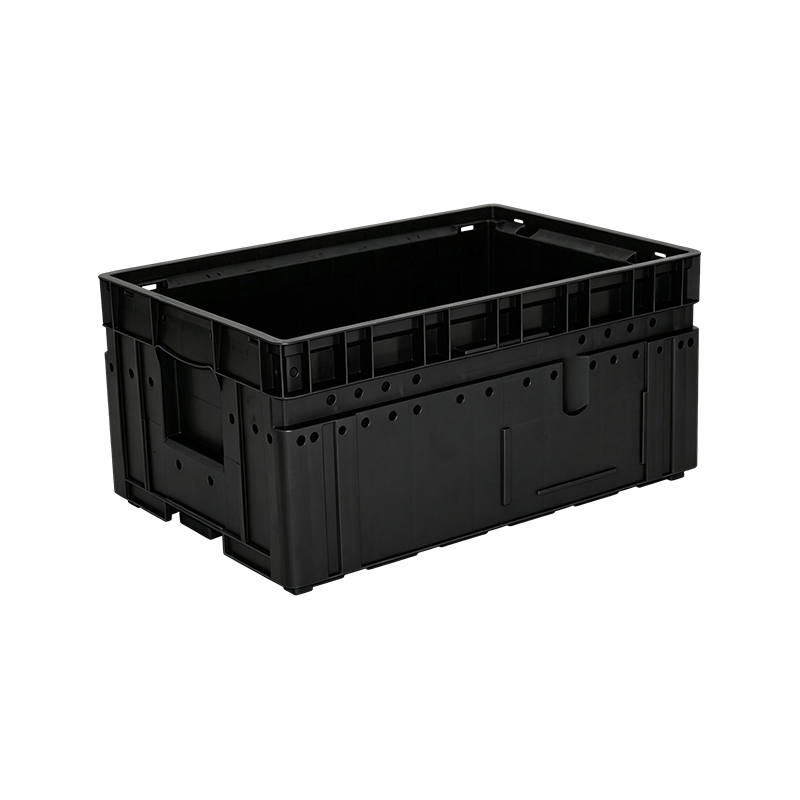
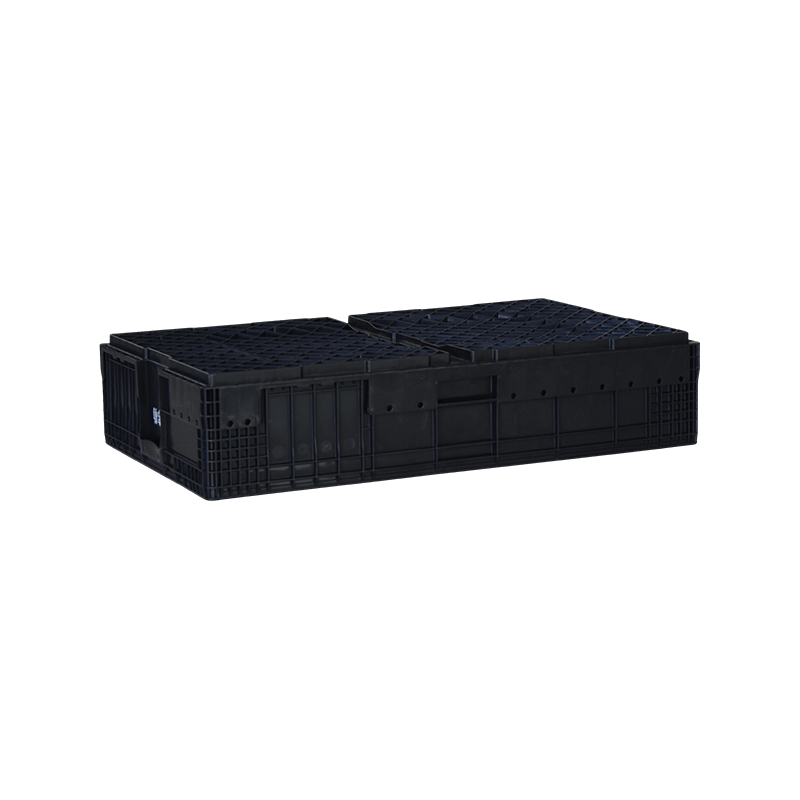
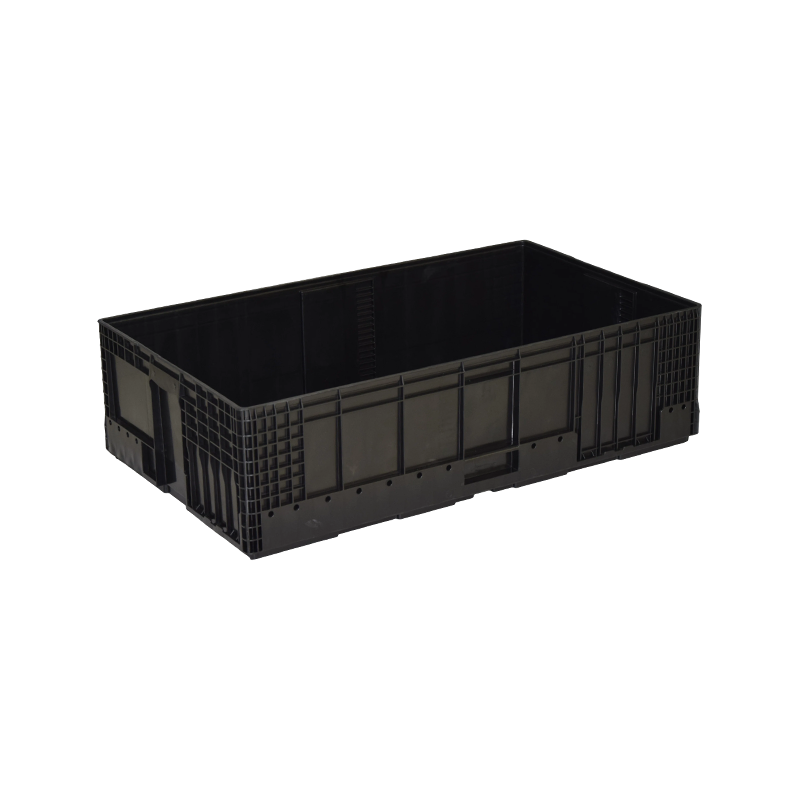
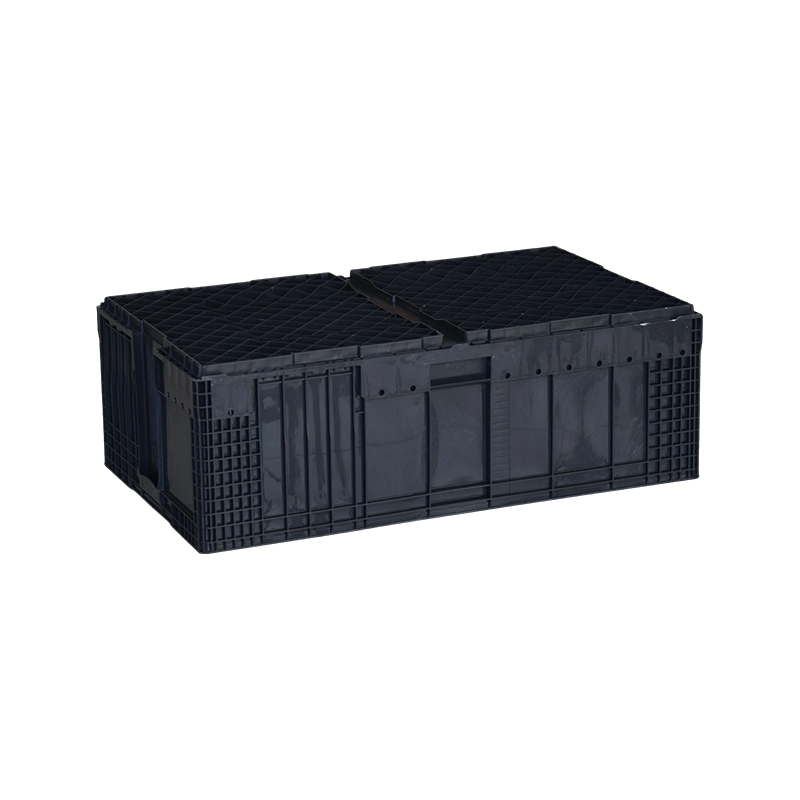
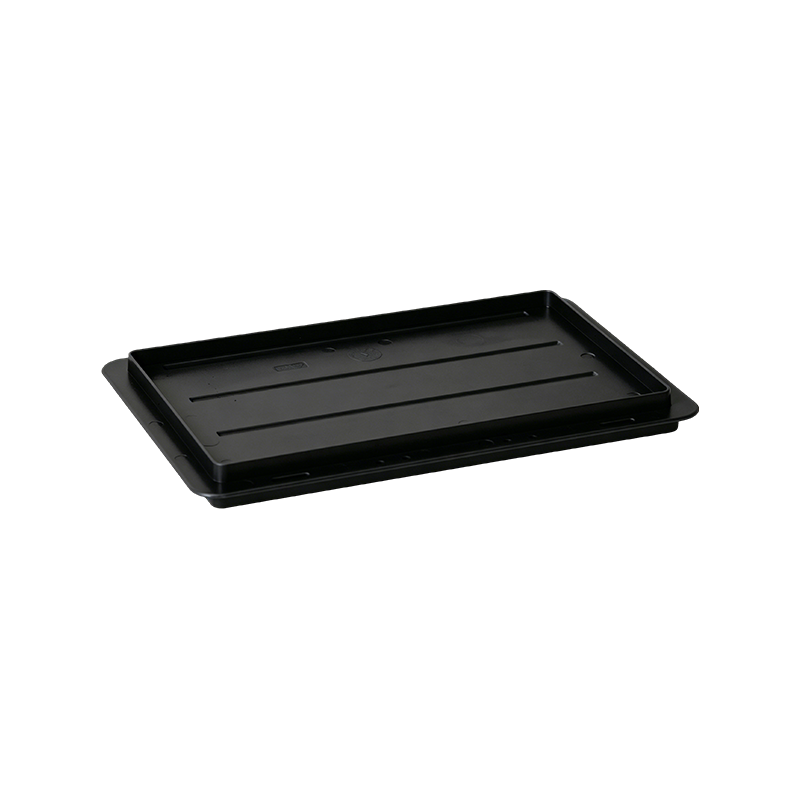
ESD KLT Container Range
Suzhou He Cheng Feng ESD Circulation Box Co., Ltd. is a China-based ESD logistics packaging manufacturer. Since 2013, we have supplied standardized plastic logistics containers: ESD/conductive circulation boxes, EU/HP standard containers, plastic pallets and matching accessories, with custom mold services for special projects. Our Custom ESD Plastic Storage Container Boxes range is built around the ESD KLT Container family — conductive small-load carriers for the safe handling, storage and transport of electrostatic-sensitive components and assemblies.
These containers are used in electronics assembly, semiconductor workshops, automotive parts logistics and precision manufacturing. Their ESD-safe conductive material, stable stacking geometry and robust construction keep them compatible with manual workstations, automated conveyors, rack storage and returnable supply chains.
Range and Application Fit
The ESD KLT Container family is organized into five subfamilies. Each construction level is matched to a different type of handling intensity, from standard component transport to heavy-duty palletized warehousing.
| Subfamily | Construction focus | Typical application fit |
|---|---|---|
| ESD R-KLT Container | Reinforced sidewalls and base; high stacking strength; thickened and ribbed variants | Automotive components, hardware, semiconductor workshops and heavy-duty workshop storage |
| ESD RL-KLT Container | Reinforced body with optimized internal volume; label holder options; impact-resistant and thickened walls | Line-side supply, production turnover boxes, warehouse stacking and distribution |
| ESD C-KLT Container | Standard conductive body; lightweight, durable and conveyor-compatible; palletized heavy-duty versions | Electronic component transport, automated production lines and high-volume warehousing |
| ESD M-KLT Container | Larger stackable format for workshop and warehouse handling | Bulk storage of assemblies, picking operations and intra-plant movement |
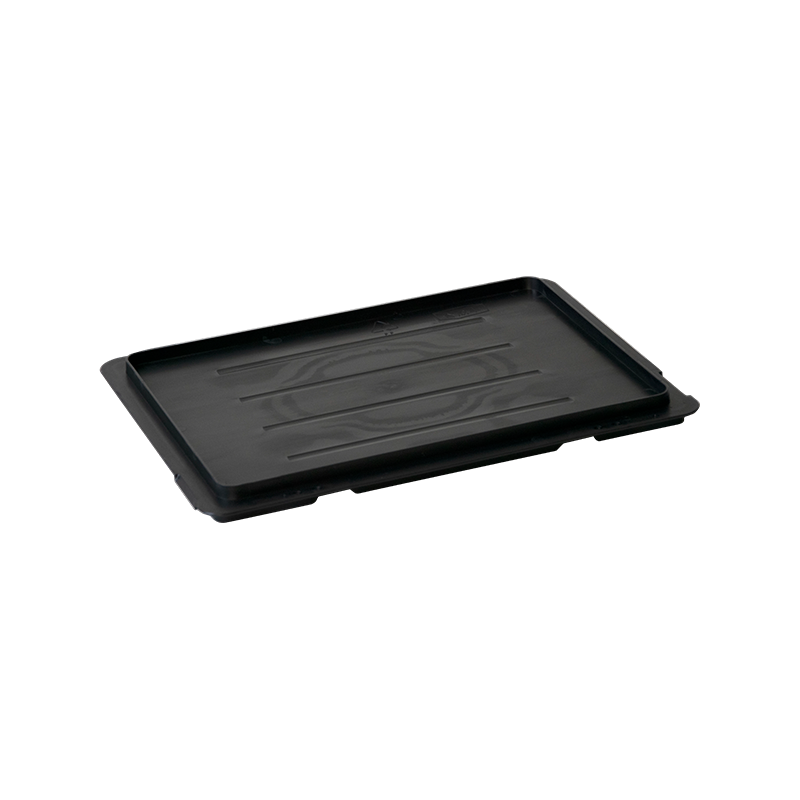
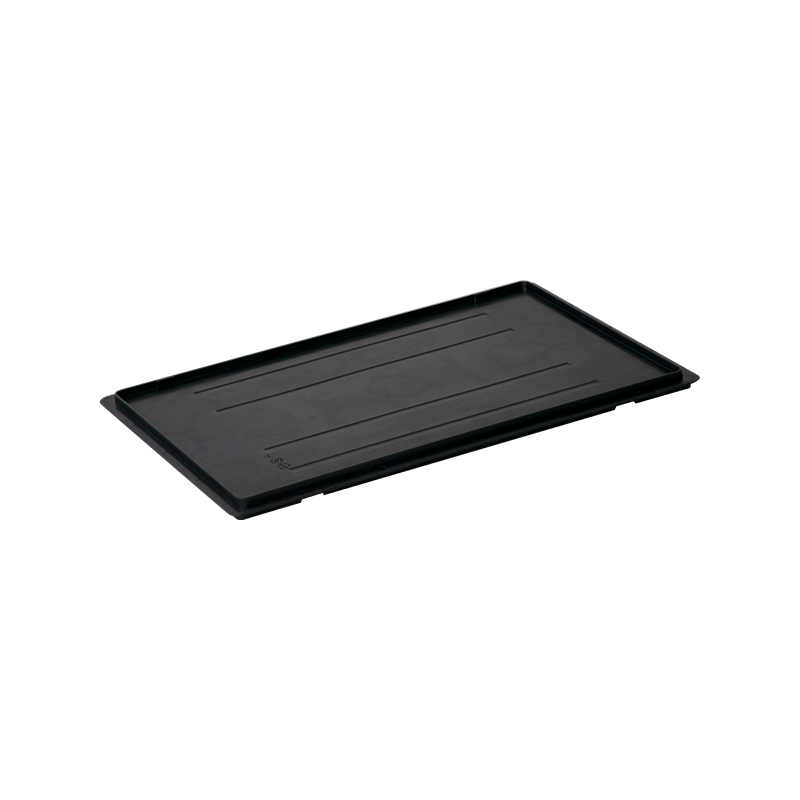
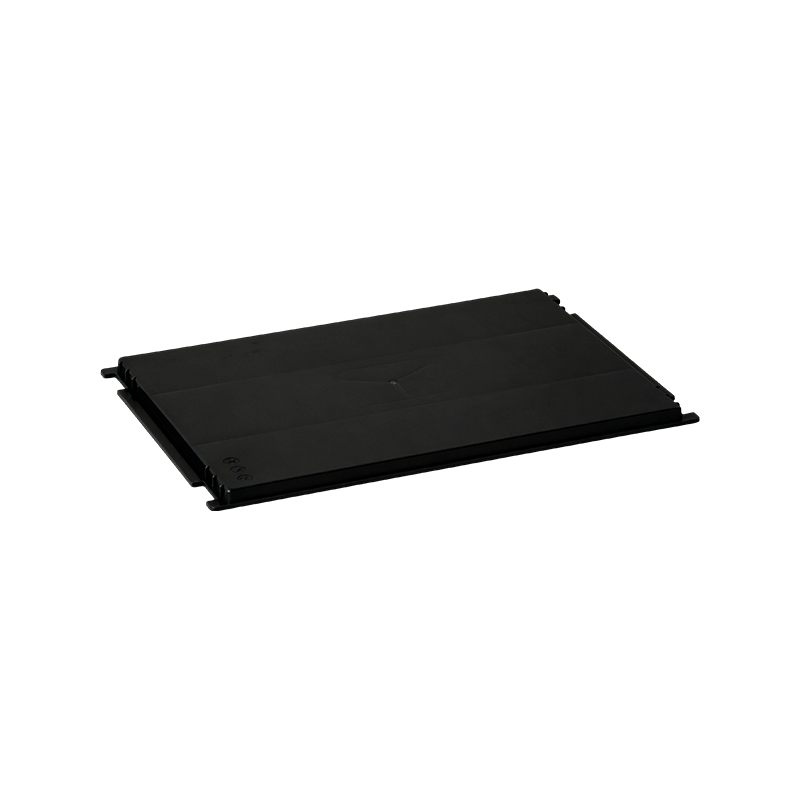
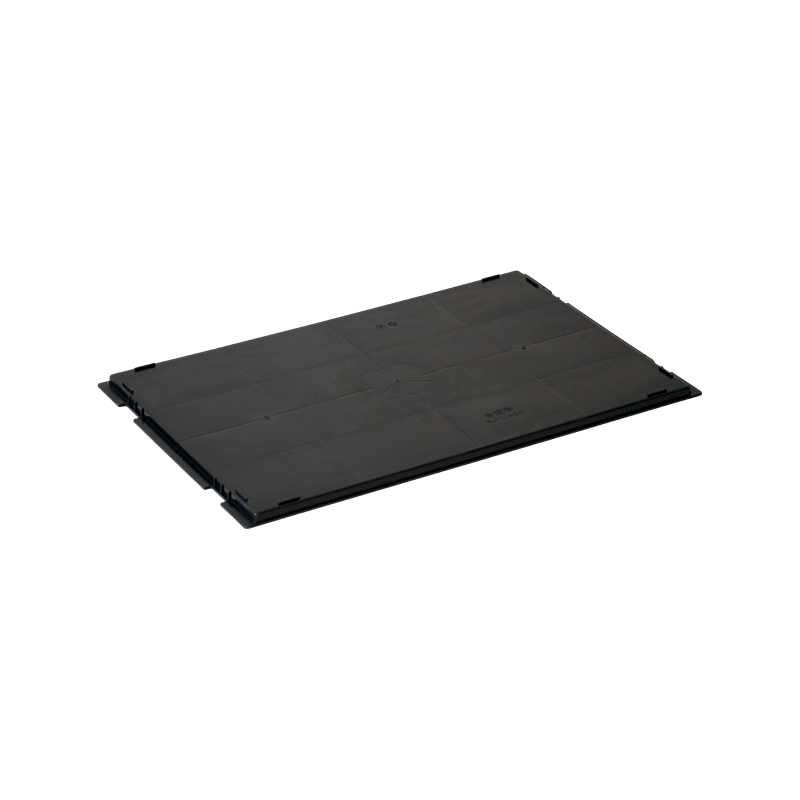
| ESD KLT Container Lid | VDA-standard and moisture-proof sealed lid options | Dust protection, moisture control and protection of sensitive components during storage |
Within each subfamily, we select the construction level according to load, handling frequency and the degree of ESD protection required. Standard KLT containers can be combined with plastic pallets and matching accessories when the logistics flow continues to palletized transport.
Material Selection and Component Protection
ESD KLT containers are intended for controlled areas where electrostatic discharge can damage PCBs, chips, connectors and precision assemblies. We produce the range from ESD-safe conductive compounds and evaluate the material grade against the working environment.
- Conductive material dissipates static charge and limits triboelectric charging when parts are placed or removed.
- Reinforced sidewalls, bases and rib patterns support stacking loads and repeated handling.
- Oil-resistant and impact-resistant variants are available for automotive and industrial workshops.
- Lids and sealed versions help keep out dust, moisture and foreign material.
Configuration and Automation Integration
Because KLT containers frequently move through conveyors, lift stations, AS/RS racks and automated assembly lines, we keep the range aligned with standard logistics interfaces. Stable stacking surfaces, consistent outer dimensions and label holder areas allow reliable identification and handling.
Configuration decisions we review together:
- Required footprint and internal depth for the component family
- Stacking height, with or without lid
- Nesting versus stacking behavior for empty return logistics
- Label holder, barcode area or molded identification requirements
- Compatibility with conveyor guides, rack openings and pallet patterns
Customization and Mold Development
For quantities that justify dedicated tooling, we provide custom mold development and personalized container design. This is the core of our service for clients with non-standard part dimensions, unusual stack heights or specific ESD and material requirements.
Typical custom projects include:
- Modified external dimensions and internal depth
- Custom colors, logos and molded markings
- Reinforcement at high-wear points
- Special lid sealing and closure features
- Material adjustments for oil resistance, impact resistance or food-contact requirements
Quality, Acceptance and Project Support
Our team combines experience in plastic mold development, ESD packaging design and logistics container manufacturing. We apply rigorous production standards so that both standard and customized containers comply with industrial specifications. For custom projects, we confirm drawings, material and ESD requirements before tooling development.
Our technical and sales groups work closely to analyze application scenarios across electronics, auto parts, food and pharmaceutical industries. The result is a container recommendation based on the actual handling cycle, not just a catalog match.
Information We Use to Configure Your Solution
To prepare a suitable proposal, our technical and sales teams review the following project inputs:
- Component dimensions, approximate weight and ESD sensitivity
- Required KLT footprint, internal depth and stack height
- Line-side quantity, daily throughput and return cycle
- Storage mode: rack, pallet, conveyor or AGV path
- Exposure to oil, moisture, solvents or washing cycles
- Target order quantity and export packaging requirements
Operation, Maintenance and Service
KLT containers are designed for repeated use. In a returnable logistics loop, the main cost drivers are cleaning, stacking discipline and replacement of worn lids or label holders. We support clients with matching accessories and after-sales technical advice on cleaning and maintenance.
For mixed loads, the same container family can be used with plastic pallets to form stable unit loads. This is where our full product range helps: ESD containers, pallets and accessories are procured from one supplier with coordinated dimensions.
Frequently Asked Questions
What is the difference between ESD R-KLT and ESD RL-KLT containers?
R-KLT containers emphasize reinforced sidewalls and base construction for heavy-duty loads and demanding industrial logistics. RL-KLT containers combine reinforcement with an optimized internal volume and label holder features, making them practical for line-side turnover and production material handling. Both are conductive, stackable and suitable for automated material flow.
Can ESD KLT containers be used on conveyors and automated systems?
Yes. The range is designed with stable stacking surfaces, consistent outer dimensions and base geometry compatible with conveyors, racks and line-side handling. For a specific line, send us the conveyor width, transfer height and stacking mode so we can verify the interface.
Do you support custom sizes and custom molds?
Yes. We offer one-stop custom mold development and personalized design for circulation boxes, pallets and accessories. The project starts with your part dimensions, required container size and ESD or material targets, then moves to drawing confirmation and tooling development.
What information is needed for an ESD KLT container quotation?
Part size and weight, required external footprint, stacking height, daily throughput, line-side quantity, handling environment and target order quantity. From these inputs we can recommend a standard or customized configuration with the appropriate material grade.
Are these containers suitable for food and pharmaceutical industries?
We provide food-grade plastic containers made from food-contact-safe materials, and containers with hygiene features for pharmaceutical and medical applications. For ESD requirements, electronics and precision component packaging remains the primary use case; tell us the dominating requirement so we select the right grade.


